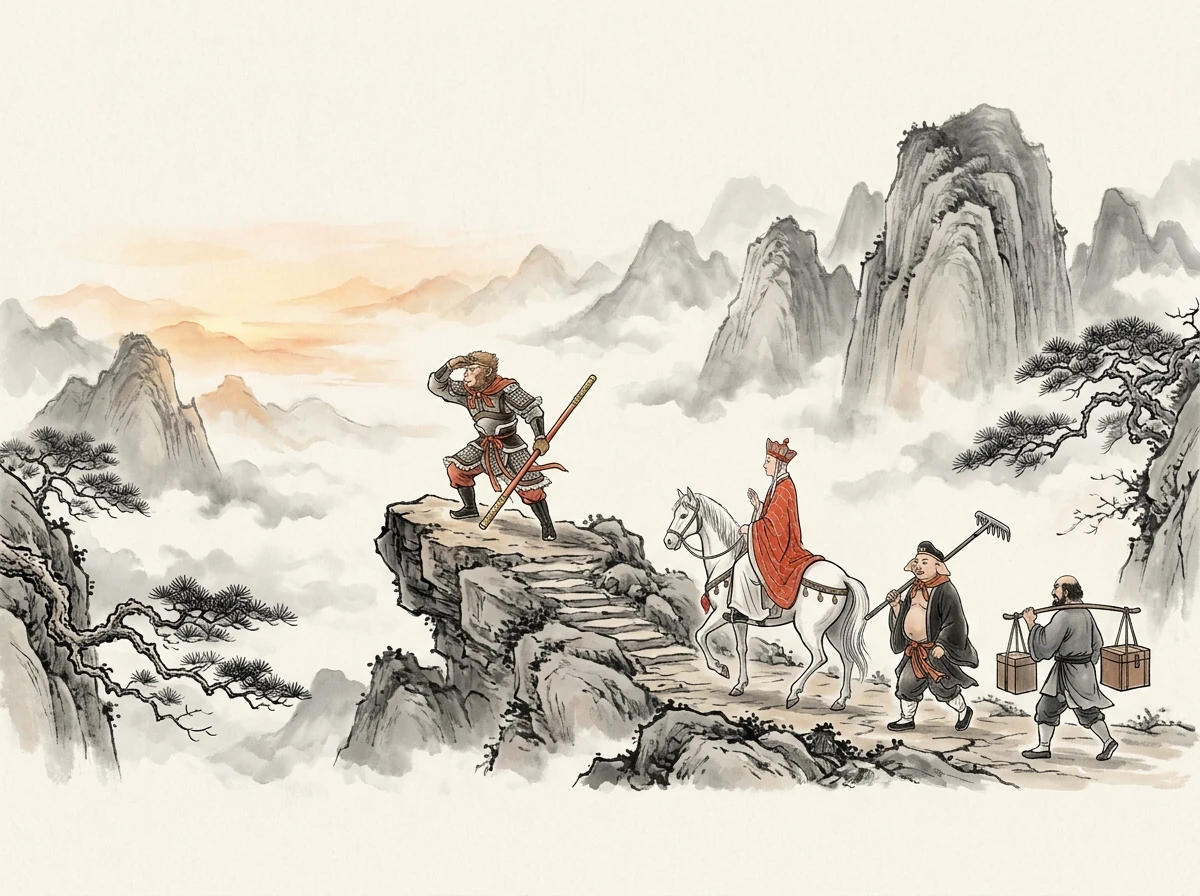
一部长达一百回的中国古典神魔史诗。讲述孙悟空大闹天宫后,护送唐僧,携手猪八戒、沙悟净与白龙马,历经九九八十一难,西行十万八千里求取大乘真经,最终五圣成真的壮阔历程。
MythLingua
Read HSK 1–7 graded stories and original editions, and unlock three stories of your choice with free passes.
一部长达一百回的中国古典神魔史诗。讲述孙悟空大闹天宫后,护送唐僧,携手猪八戒、沙悟净与白龙马,历经九九八十一难,西行十万八千里求取大乘真经,最终五圣成真的壮阔历程。
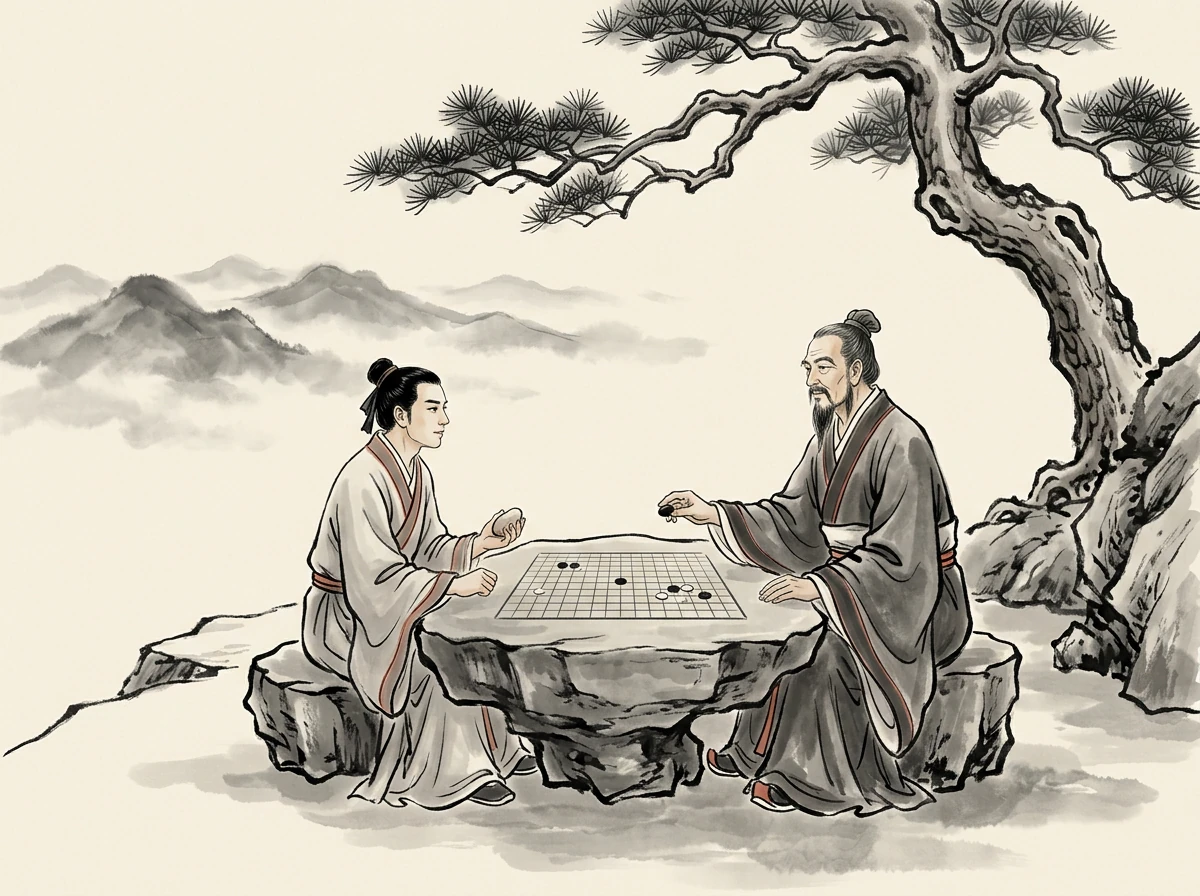
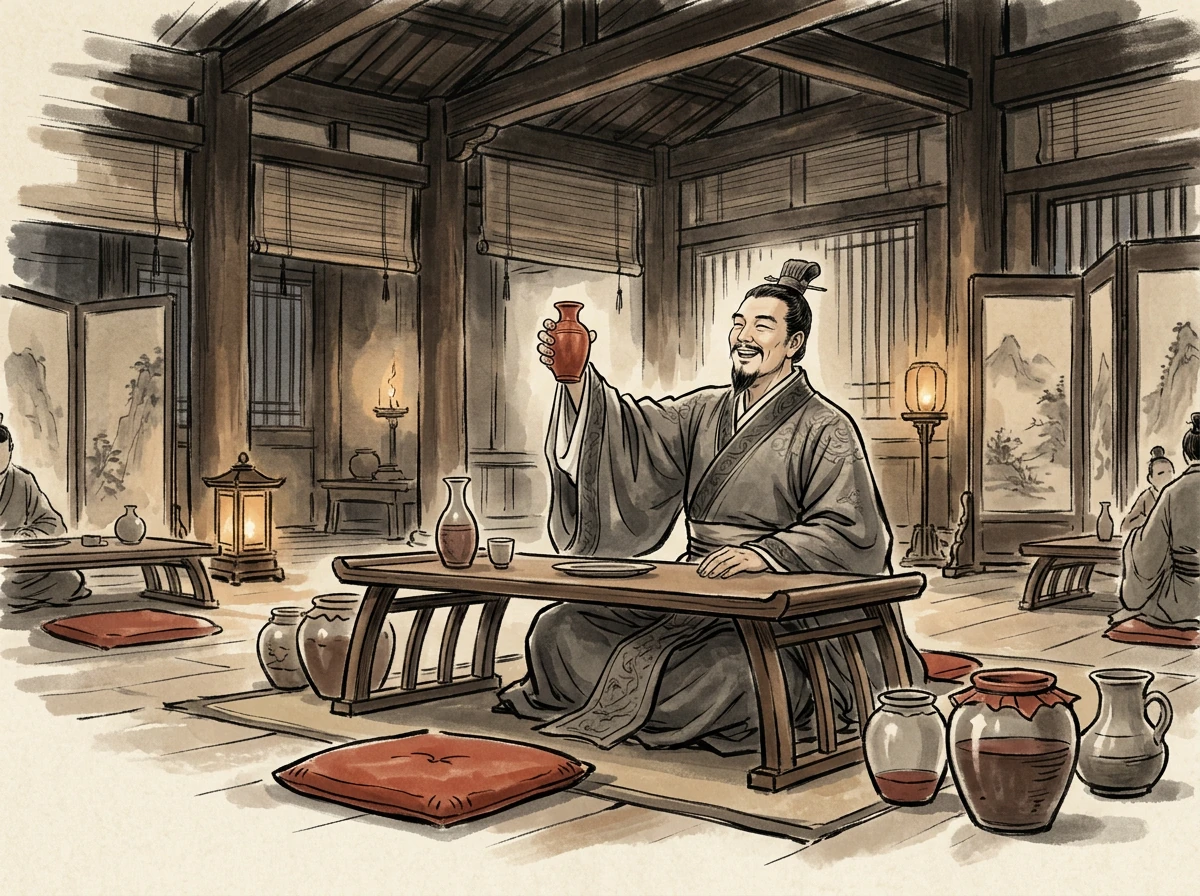
Emperor Yao's eldest son Danzhu was wild and arrogant, even forcing servants to pull boats over dry land for amusement. To tame his temperament, Yao invented the game of Go. Though Danzhu mastered its tactics, he lacked virtue, leading Yao to pass the throne to Shun for the greater good.
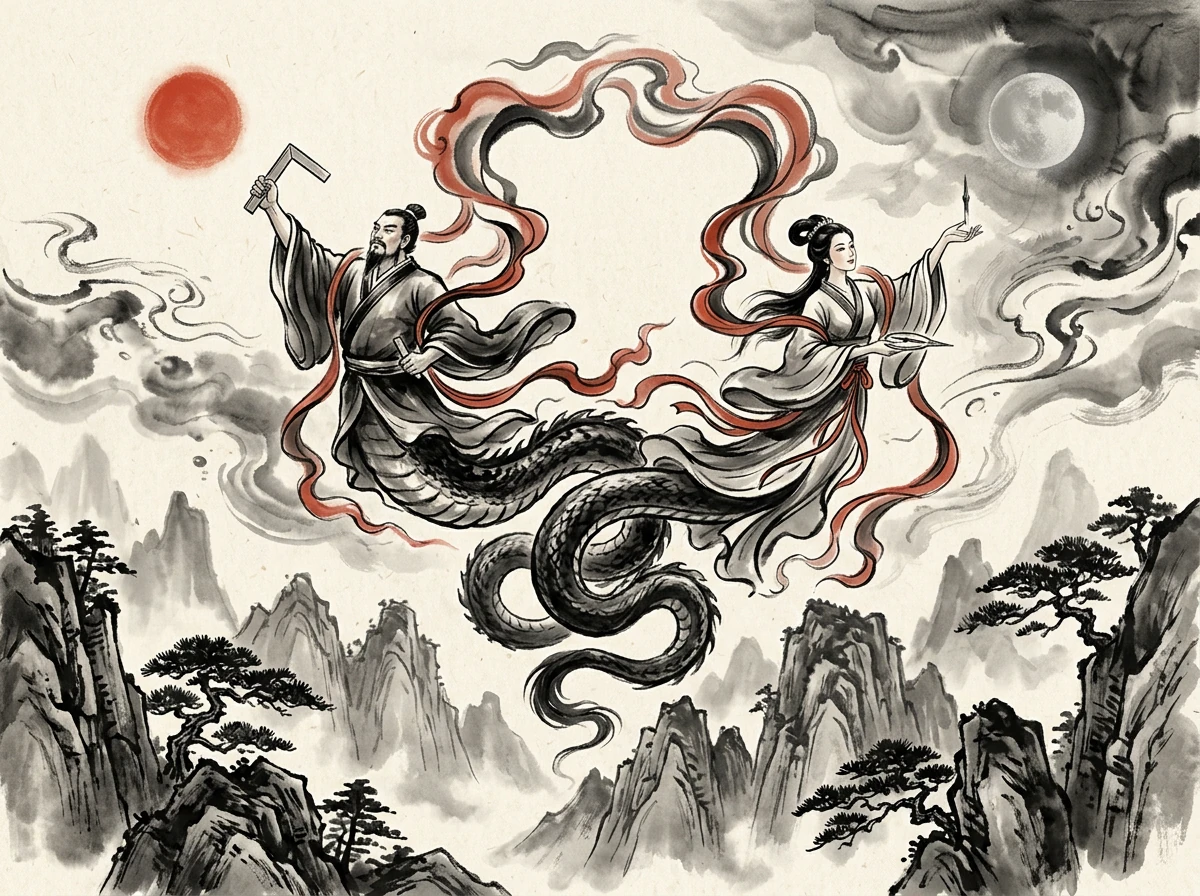
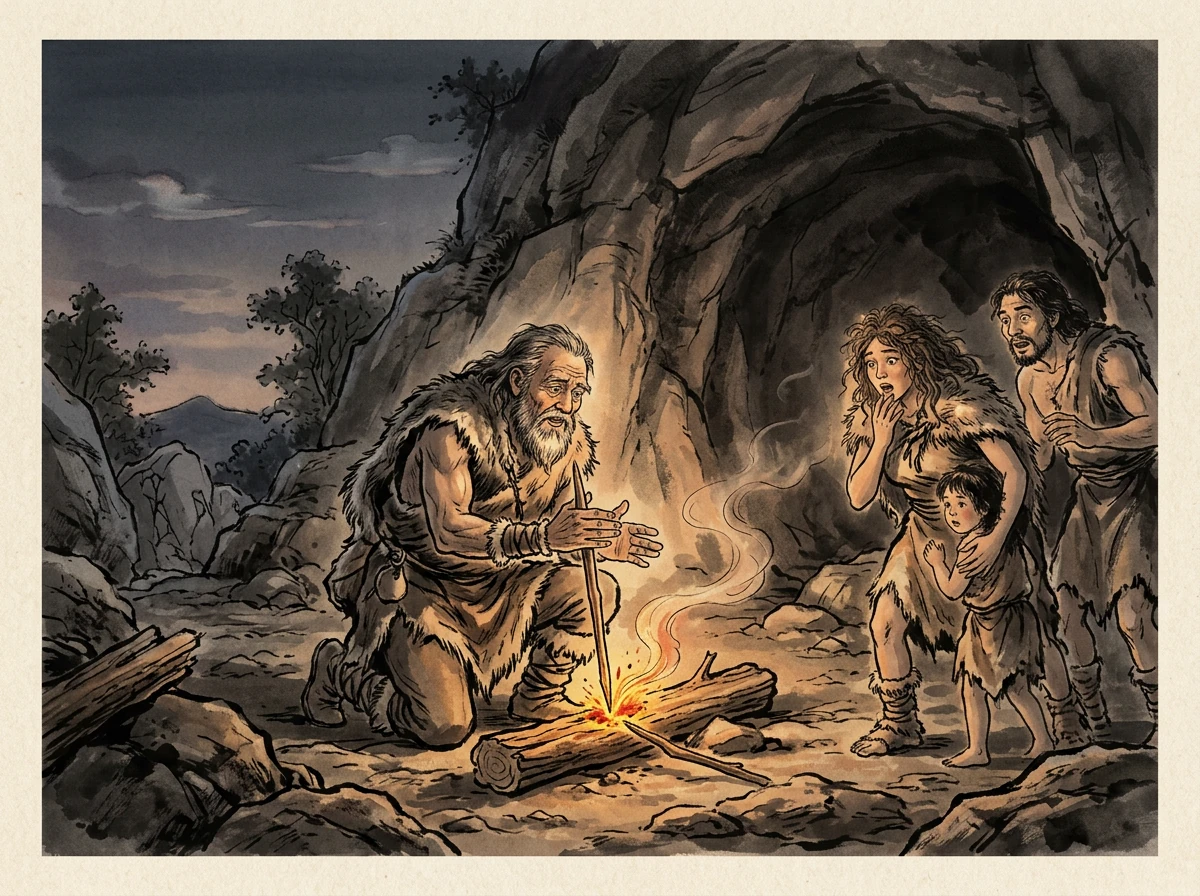
After the great deluge recedes, Fuxi and Nuwa are the sole survivors on earth. Facing the extinction of humanity, they light twin fires on Mount Kunlun to divine Heaven's will, uniting in marriage when the smoke merges to revive the human race.
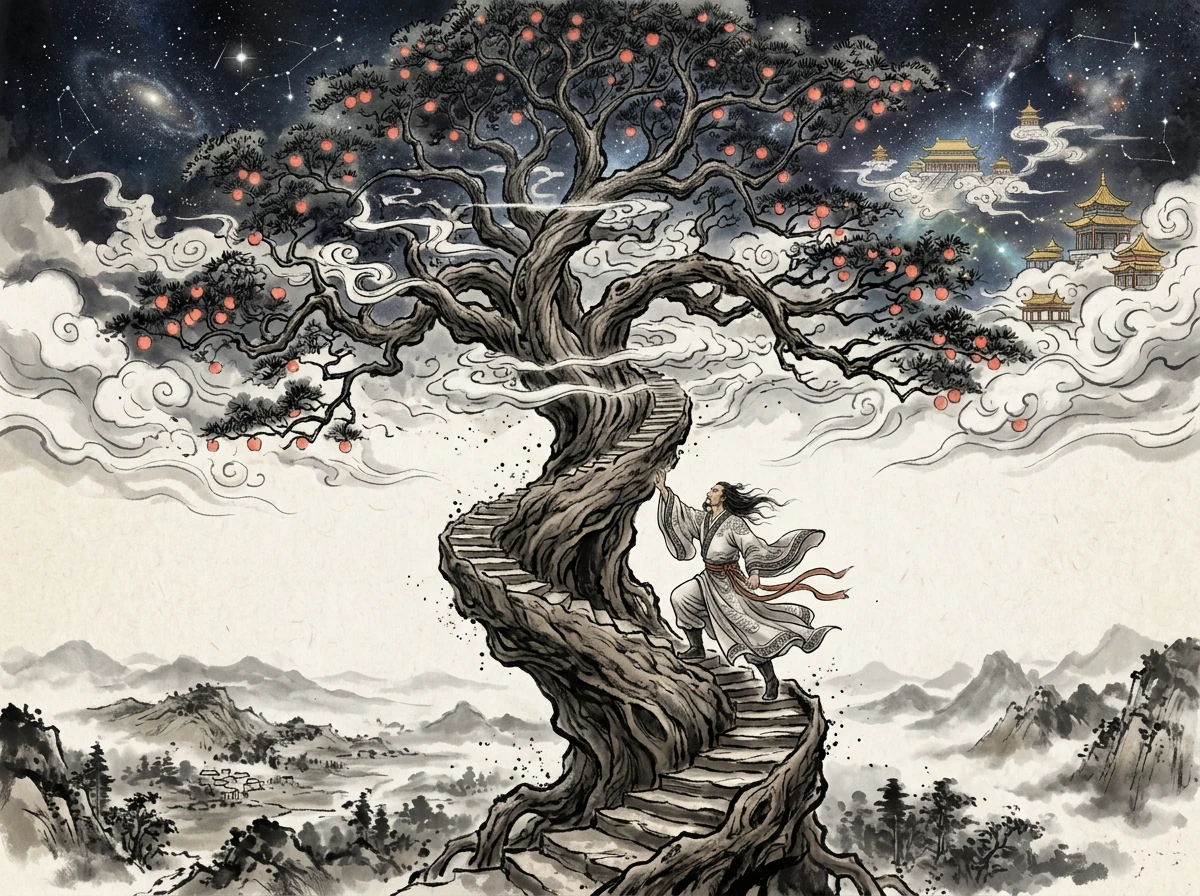
In ancient times when heaven and earth were close, the divine tree Jianmu stood at the center of the world. To unravel the mysteries of celestial bodies and seasons, Fuxi climbed the cosmic tree to the heavens, bringing humanity the wisdom of time and calendar.
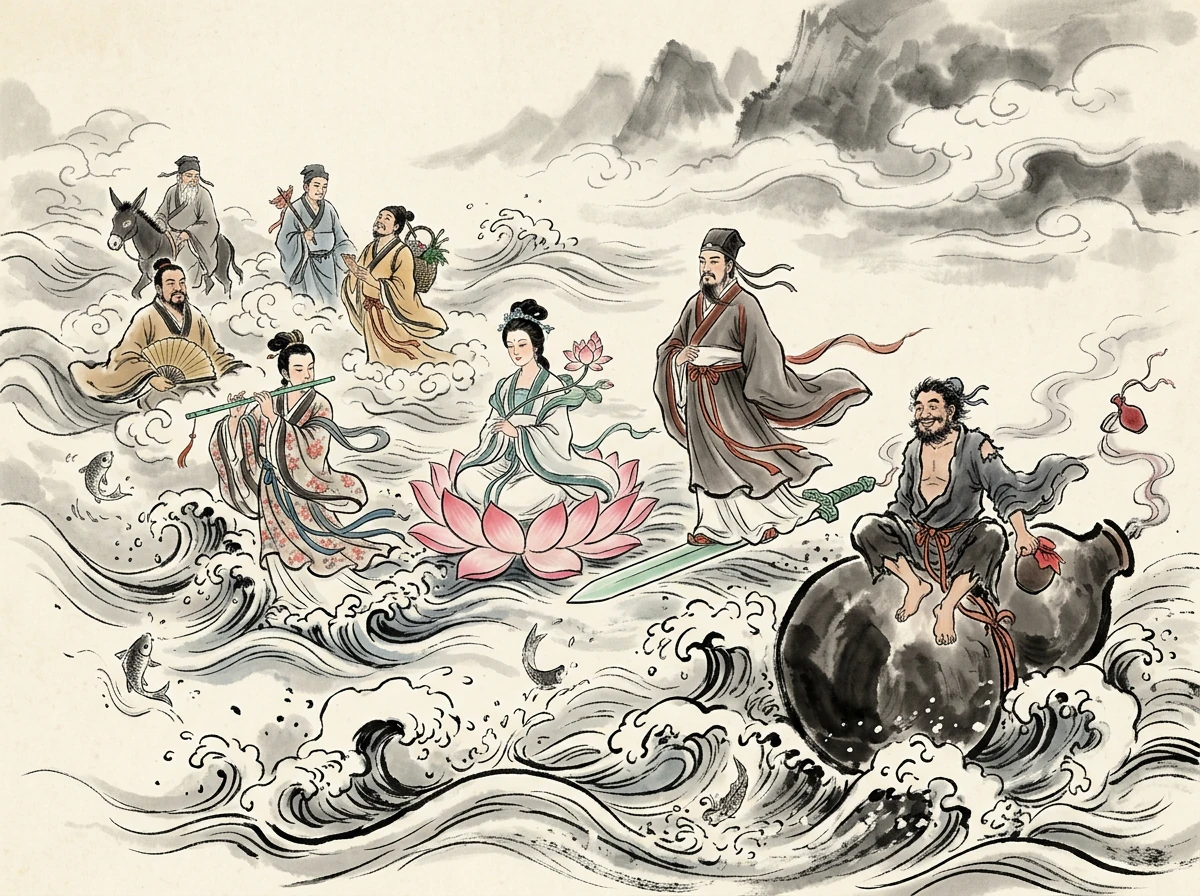
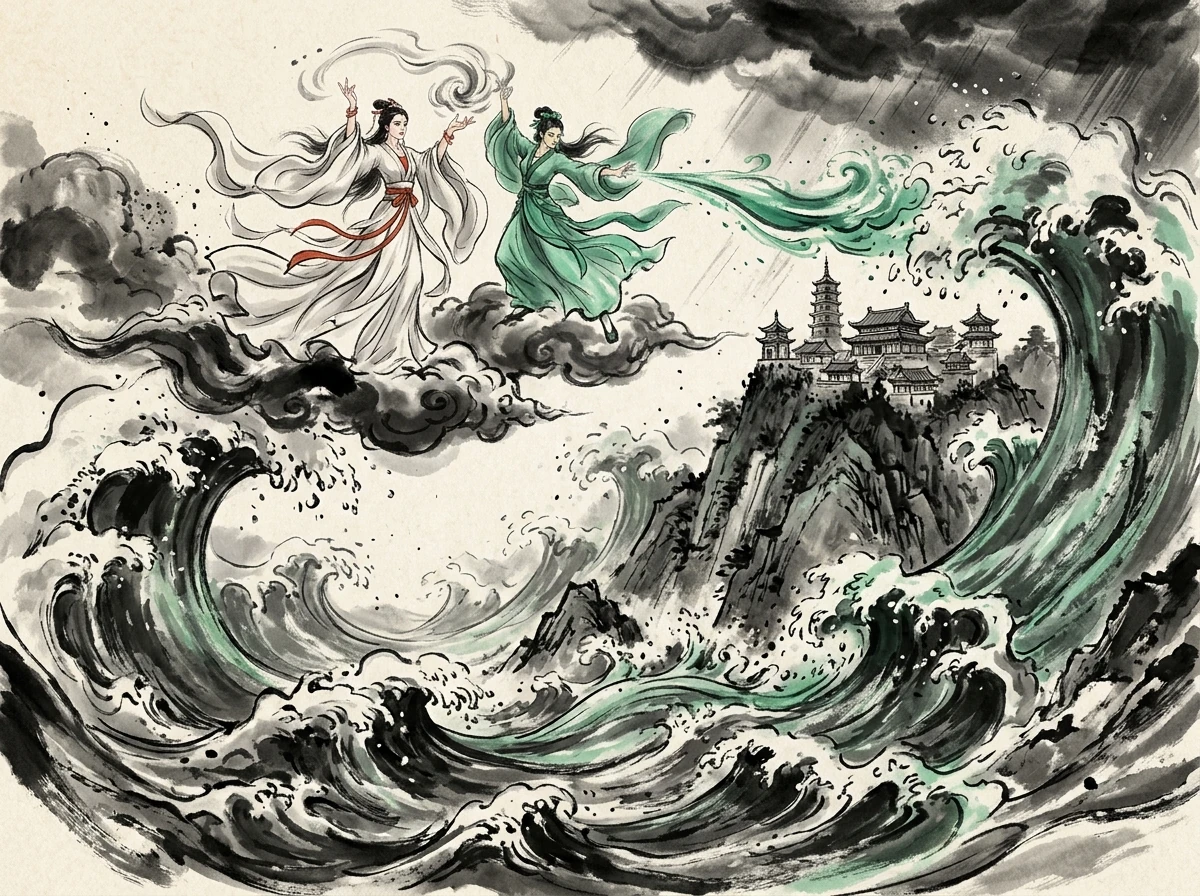
Eight immortals travel together to a gathering on Penglai Island. At the shore, Lü Dongbin proposes a challenge: no clouds and no boats — each immortal crosses the sea on his or her own treasure. When the Dragon King's son seizes Lan Caihe out of greed for the magic treasures, the eight fight side by side against the dragon palace, until the Goddess of Mercy talks everyone into peace. From this tale comes the saying: \"The Eight Immortals cross the sea — each shows their own power.\
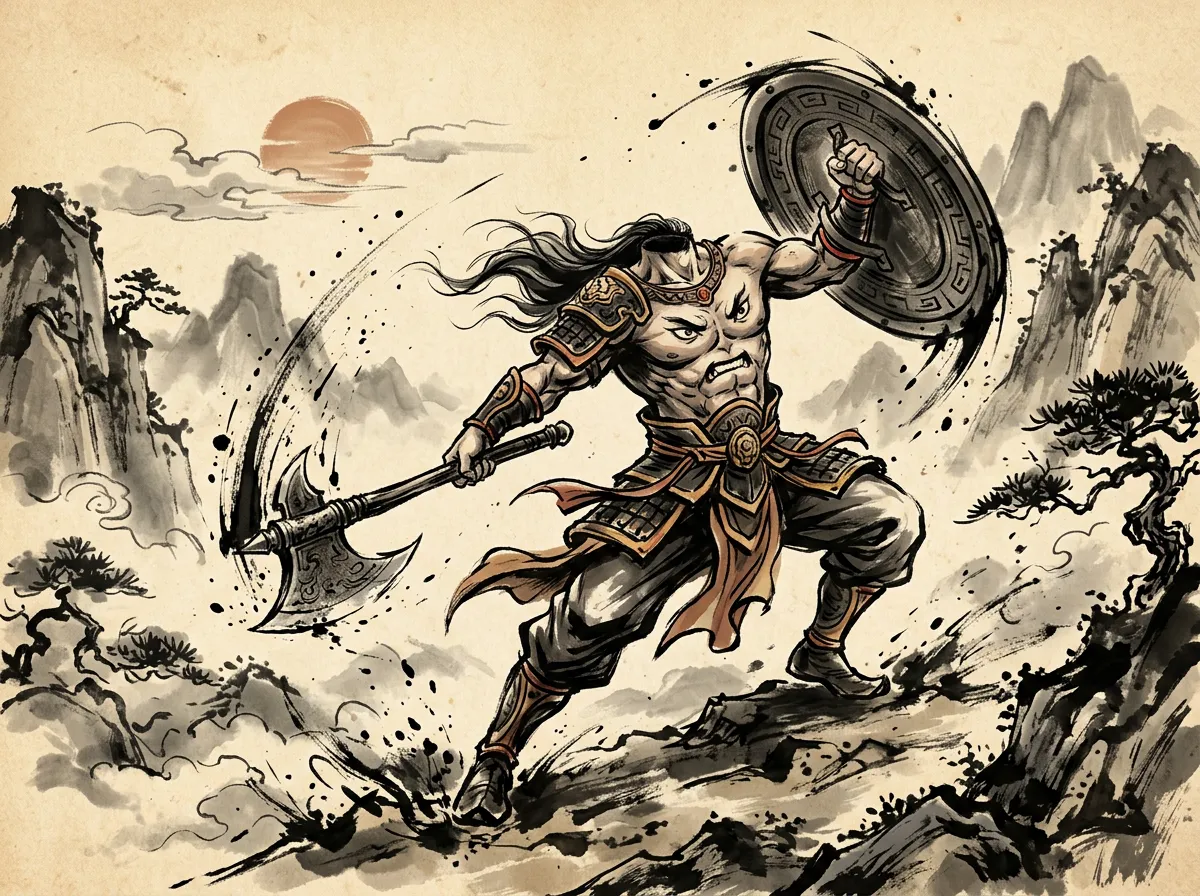
Unwilling to accept defeat, the giant Xingtian marched alone with shield and battle-axe to challenge the Yellow Emperor. Decapitated at Mount Changyang, he transformed his chest into eyes and his navel into a roaring mouth, forever dancing his battle against the sky.
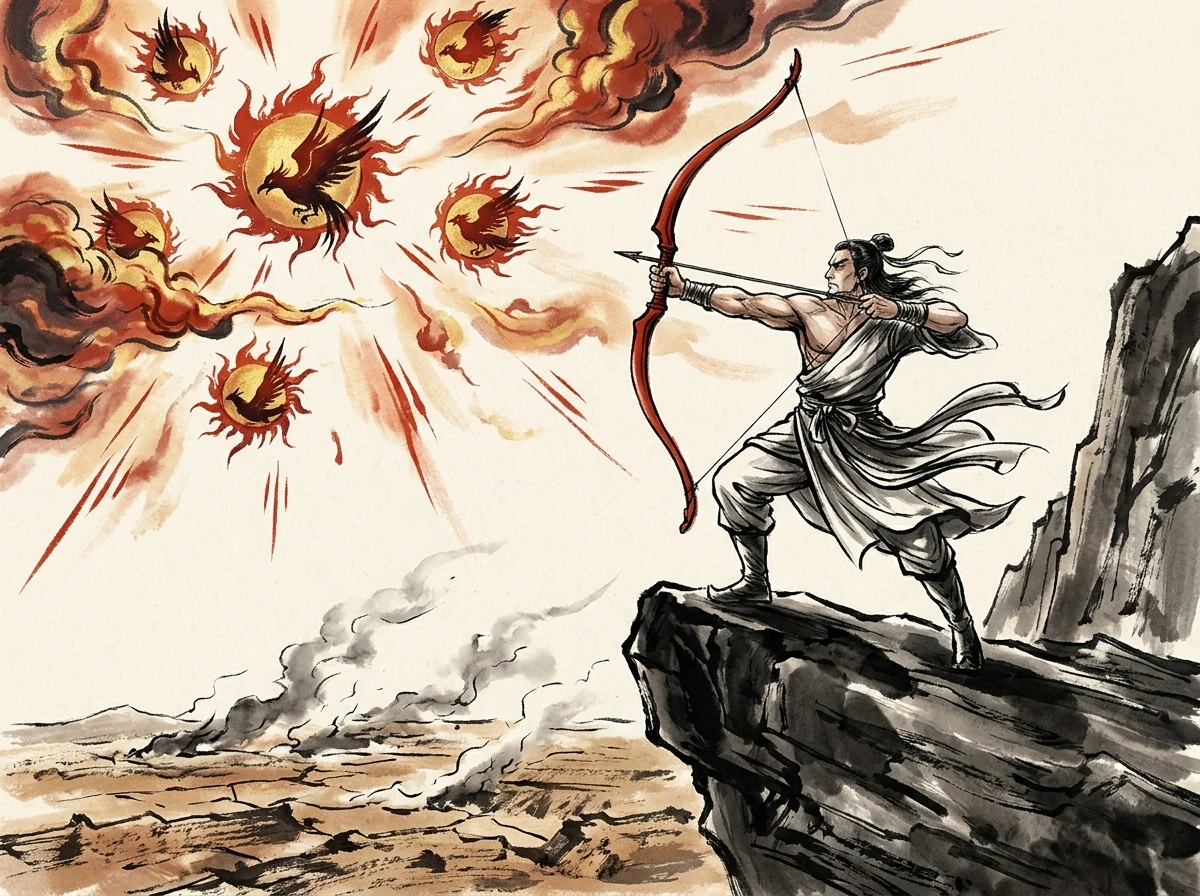
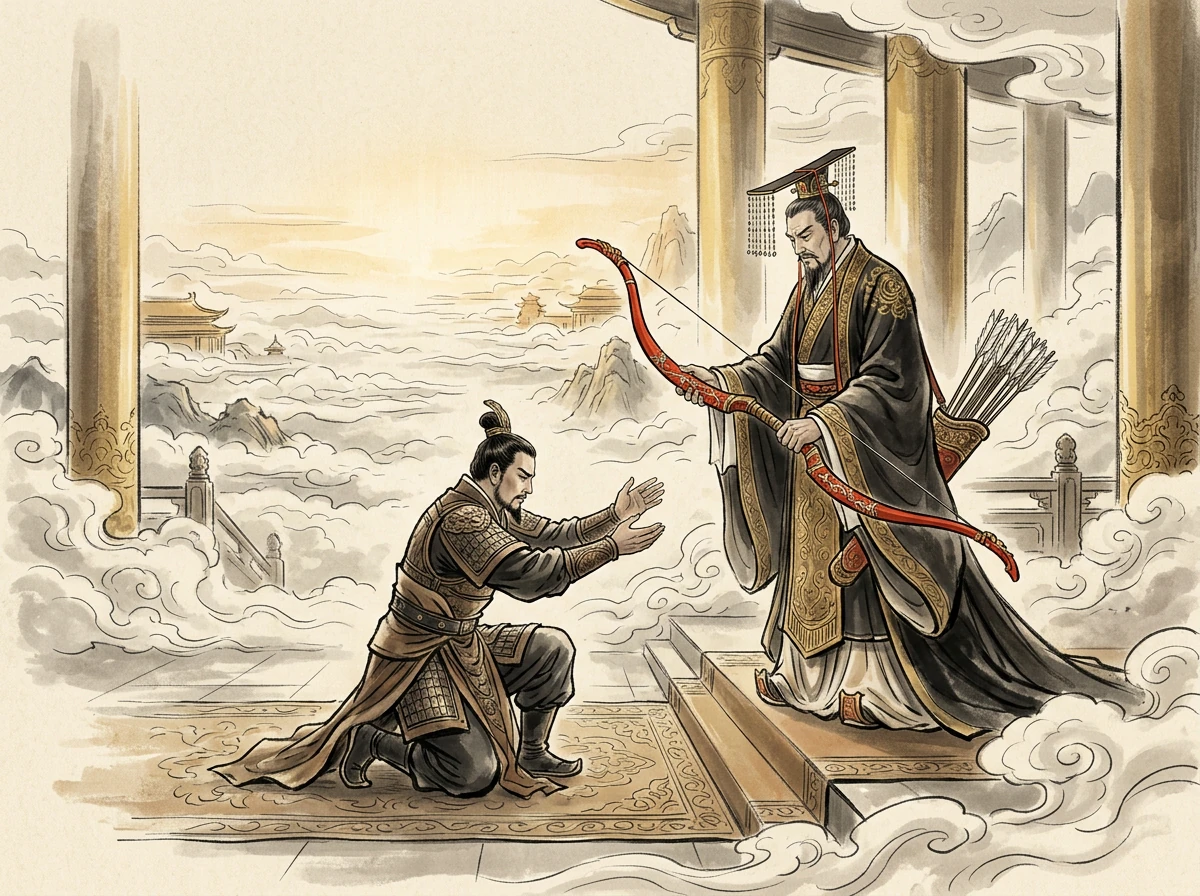
Ten suns rise into the sky together and scorch the earth until crops wither and rivers run dry, while monsters come out to harm the people. The divine archer Houyi takes up the red bow and white arrows granted by the Lord of Heaven, shoots down nine suns, and leaves the last one to give the world back its days and nights.
Following Dayu's death, the ancient abdication system collapses as his ambitious son, Qi, marshals forces to defeat the chosen sage Boyi on Mount Ji. Establishing dynastic rule, Qi ascends the throne and indulges in stolen celestial music.
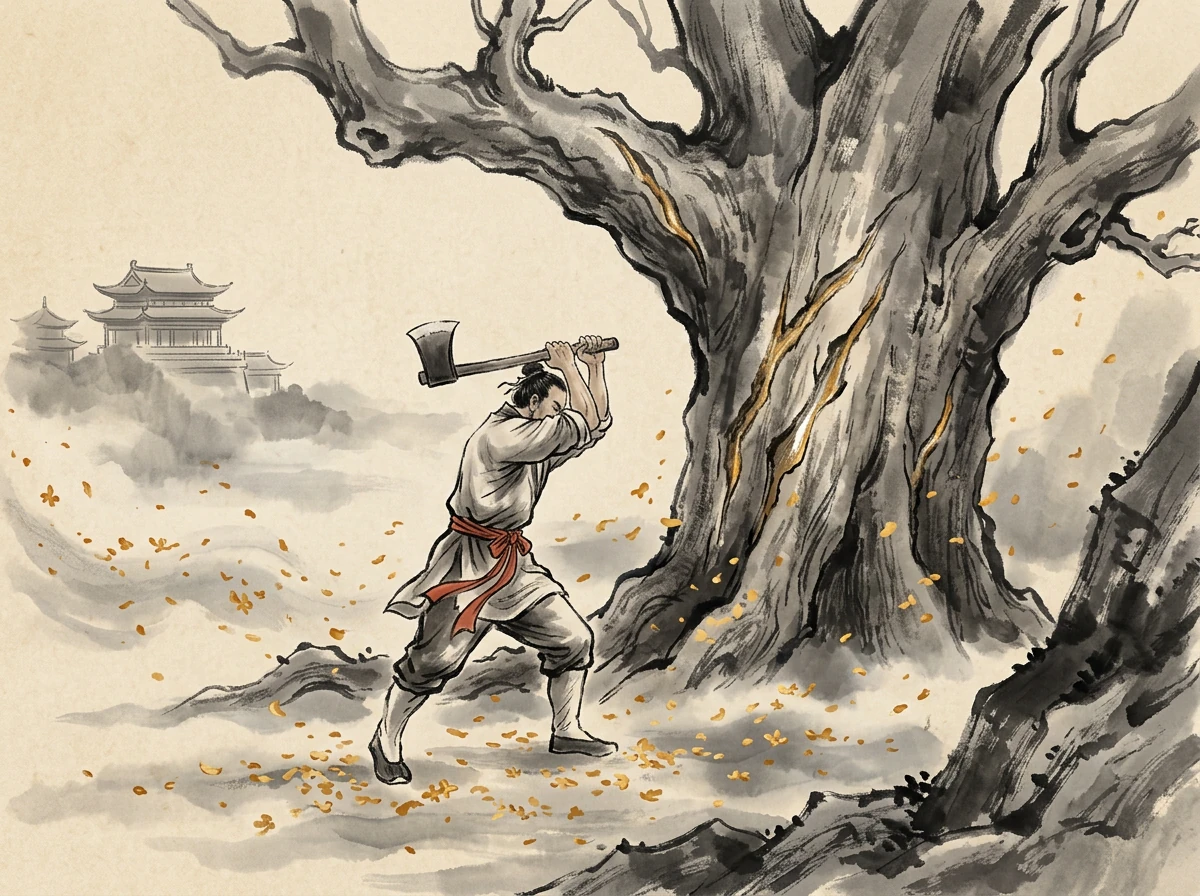
Legend tells of Wugang, who set his heart on becoming an immortal but was punished by the Emperor of Heaven for his haste: he must fell the five-hundred-zhang cassia tree on the moon, whose wounds heal the moment his axe leaves them. Every Mid-Autumn, people still see his figure swinging the axe beneath the tree's shadow.
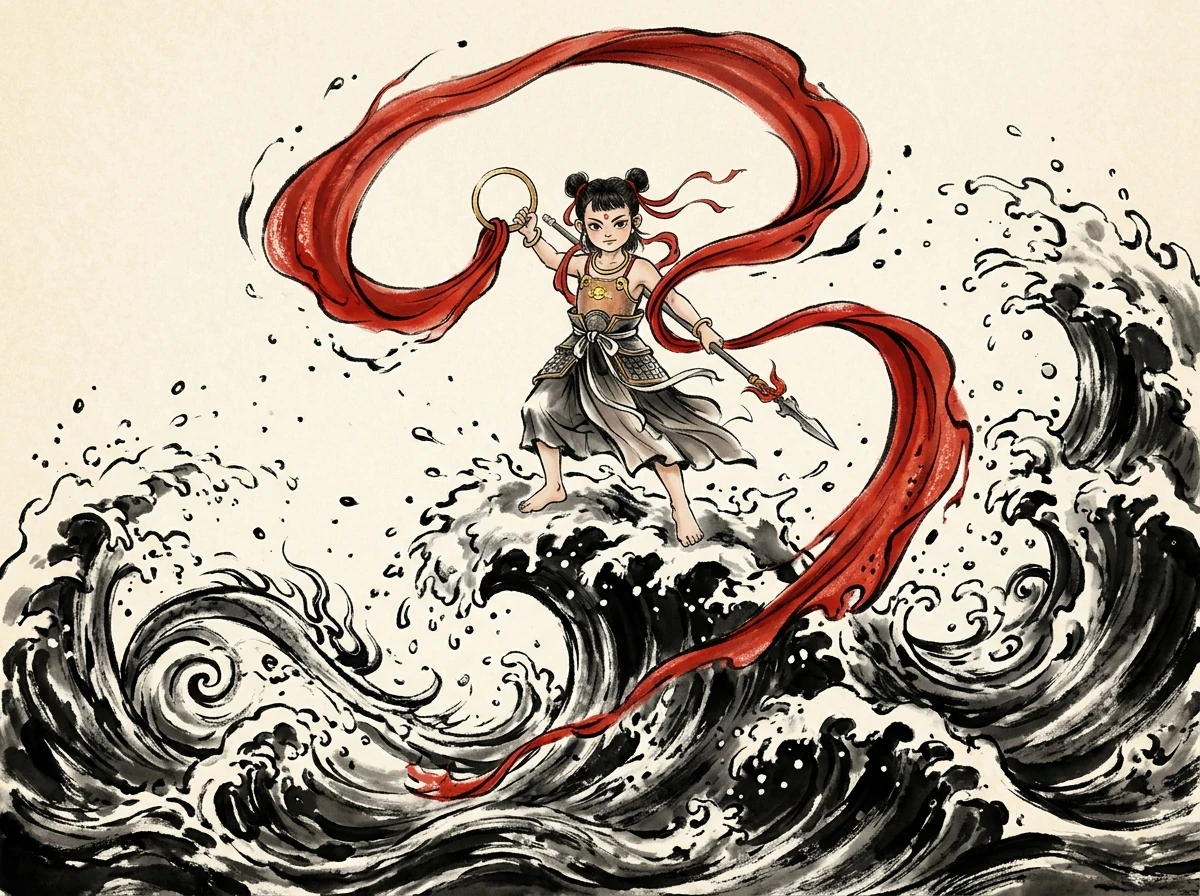
Lady Yin, wife of Li Jing, gives birth to a ball of flesh after three years and six months, and the boy Nezha leaps out of it. At seven, bathing by the sea, he stirs the Dragon Palace of the Eastern Sea with his magic sash, and kills the taunting yaksha and the dragon prince Ao Bing. When the four dragon kings flood Chentang Pass, Nezha takes all the blame on himself, returning his bones to his father and his flesh to his mother. The immortal Taiyi rebuilds his body from lotus flowers and lotus roots, and Nezha is born again.
Halted at Mount Tongbai by fierce tempests, Dayu unmasks the ancient water demon Wuzhiqi. After the divine warrior Gengchen subdues the golden-eyed, white-headed ape in an epic clash, the beast is bound with iron chains and pinned beneath Mount Gui forever.
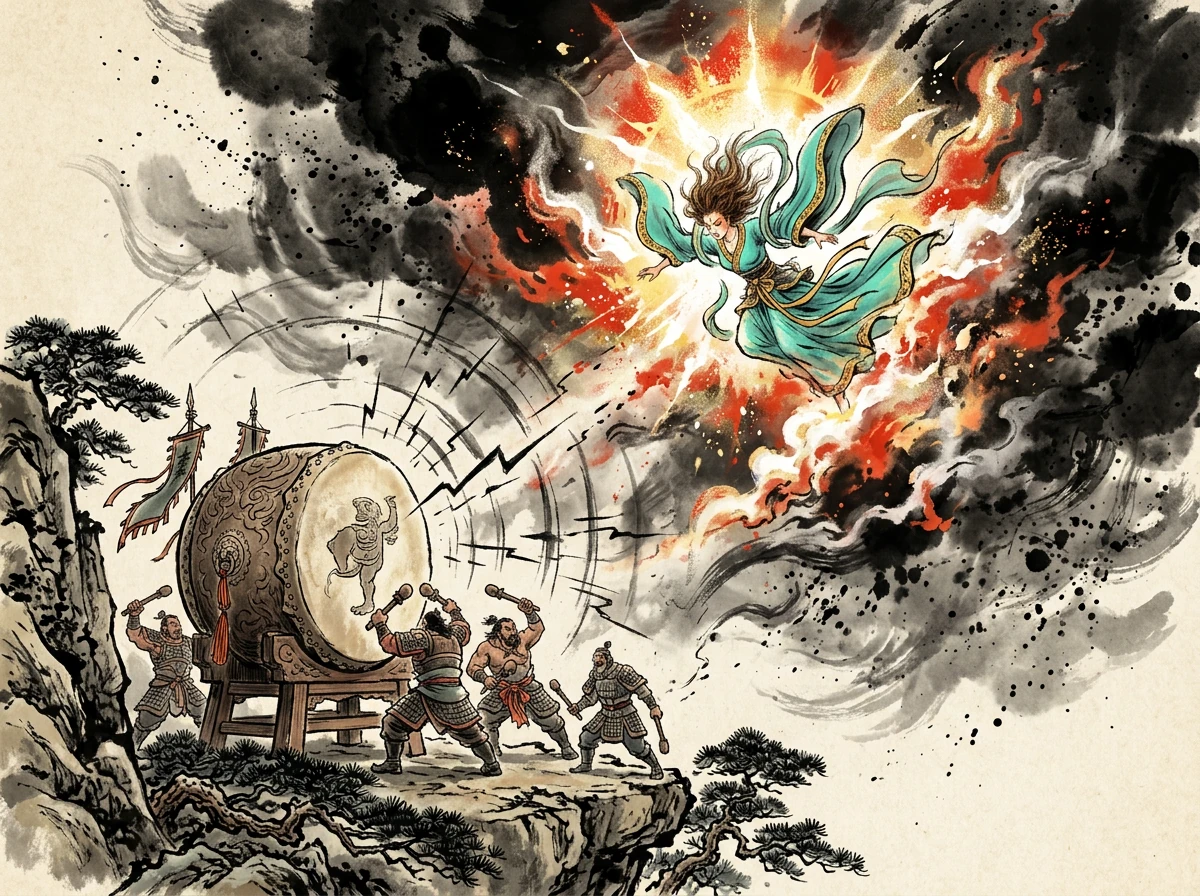
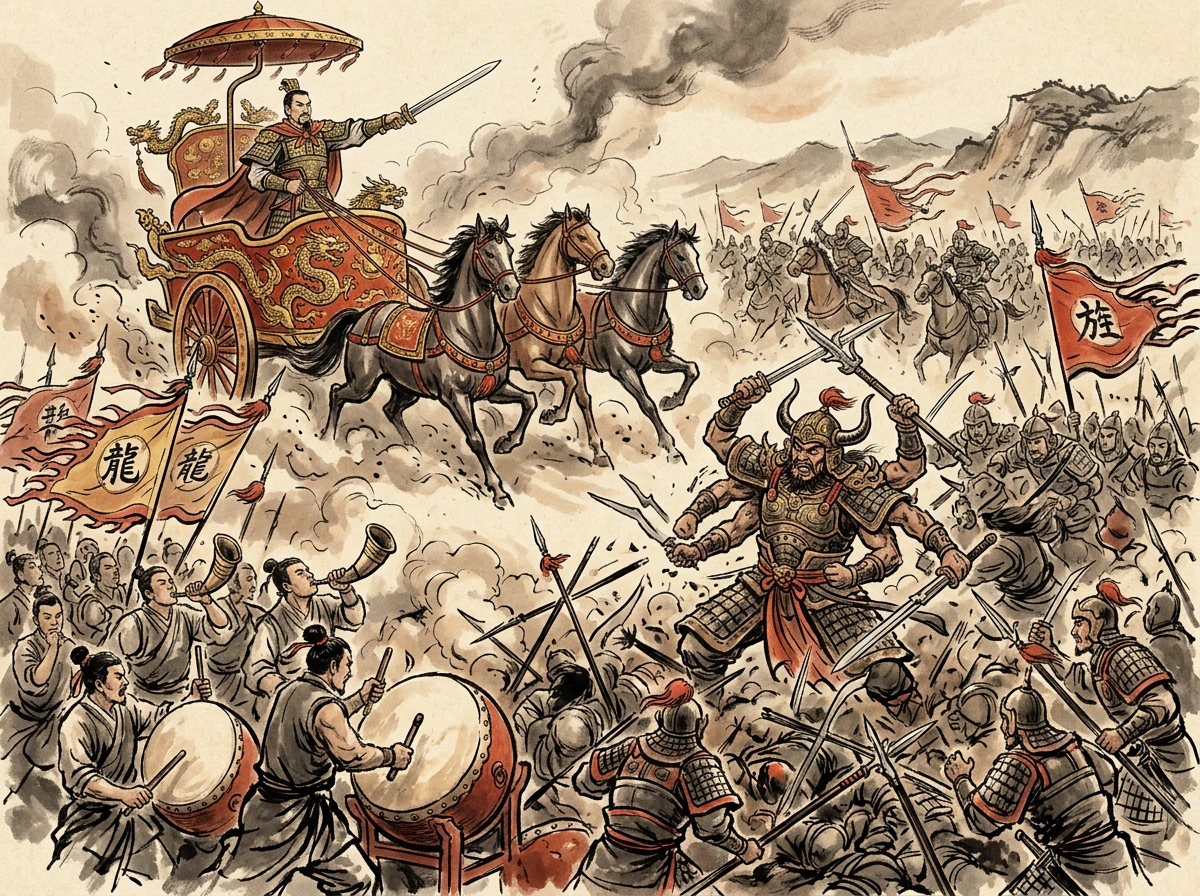
In the Battle of Zhuolu, Chiyou summoned storm gods to drown the battlefield. The Yellow Emperor sent his daughter Ba to dispel the deluge with scorching heat, then crafted a mighty drum from the beast Kui to shatter the enemy's spirit.
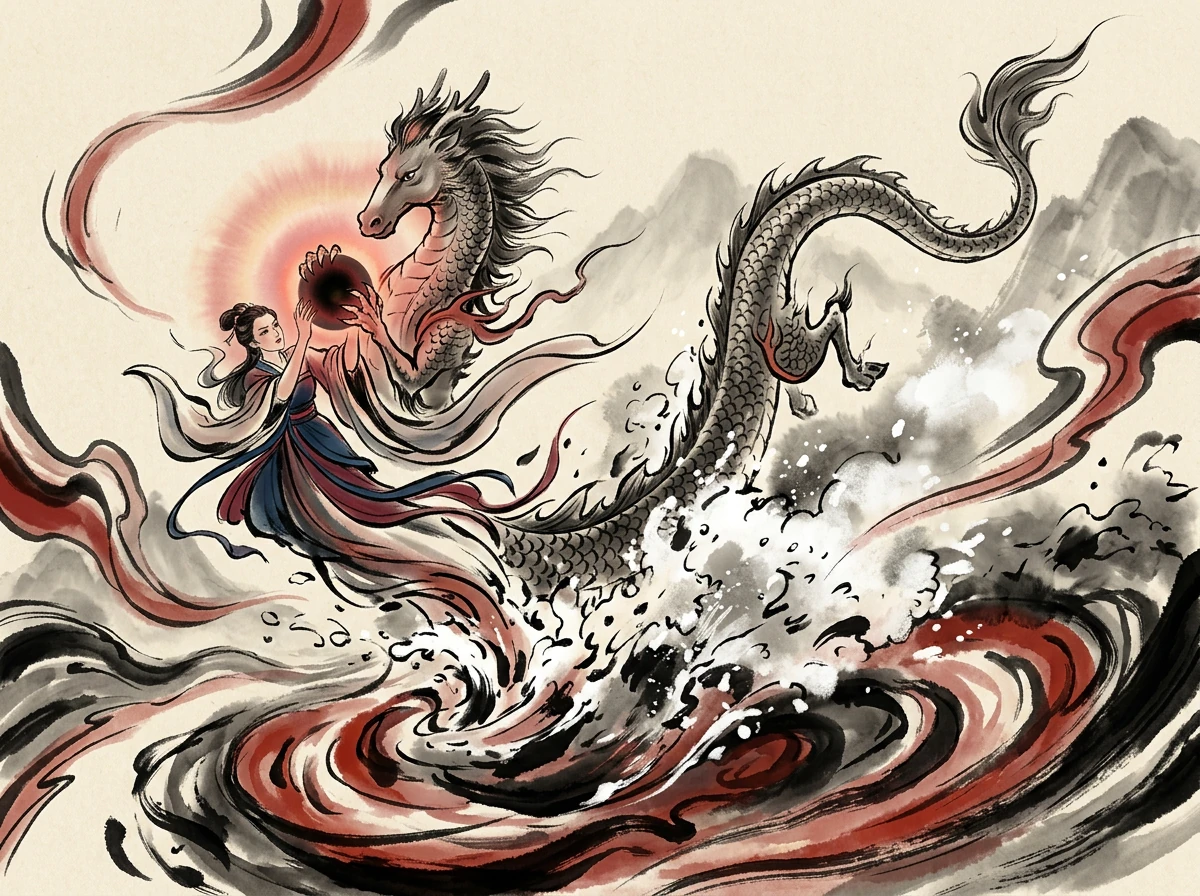
The Yellow Emperor loses the sacred Dark Pearl by the Red River. While sharp eyes and intellect fail to recover it, the carefree Xiangwang stumbles upon it. A maiden named Qixiang steals and swallows the pearl, becoming the guardian river dragon of the Min River.
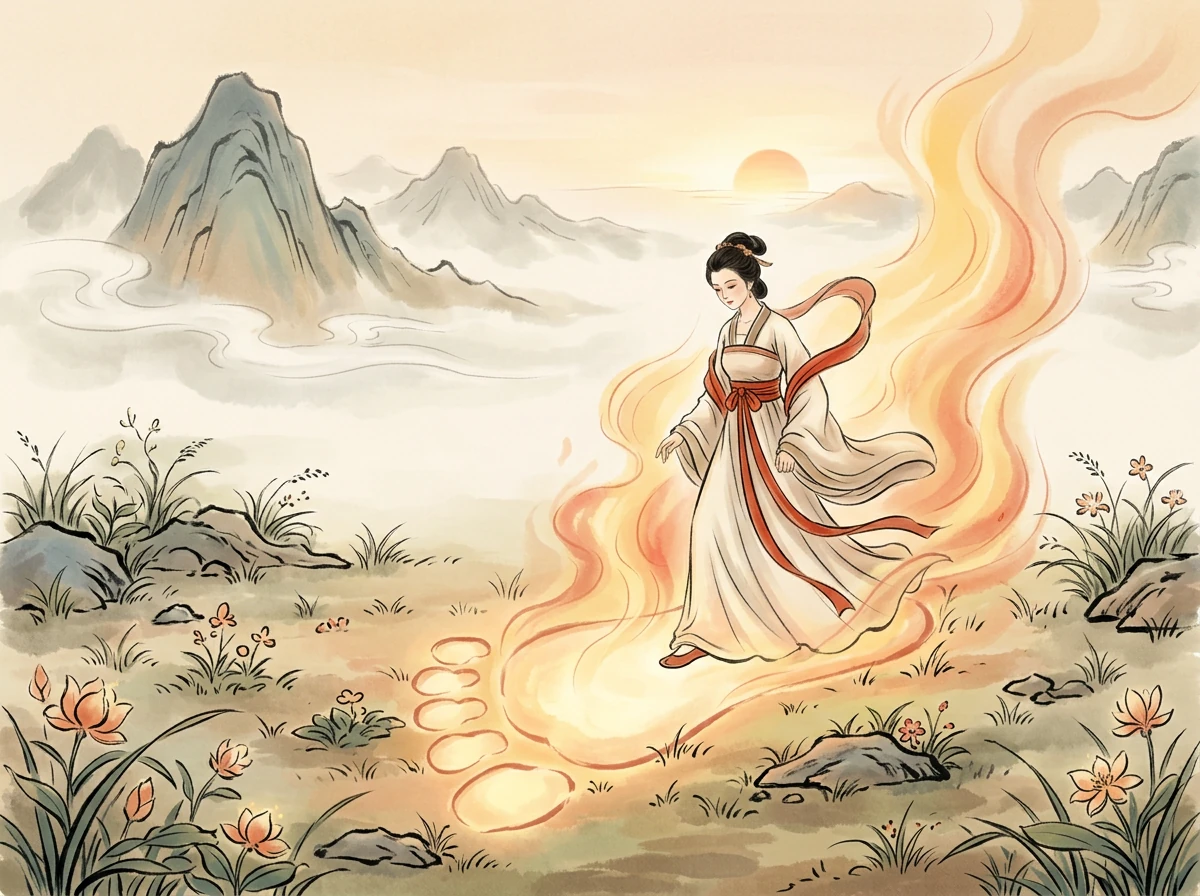
Jiang Yuan stepped into a giant footprint in the wild and miraculously conceived. After three trials of abandonment where beasts and birds protected the newborn, the child was named Qi, growing up to become Houji, the revered God of Agriculture.
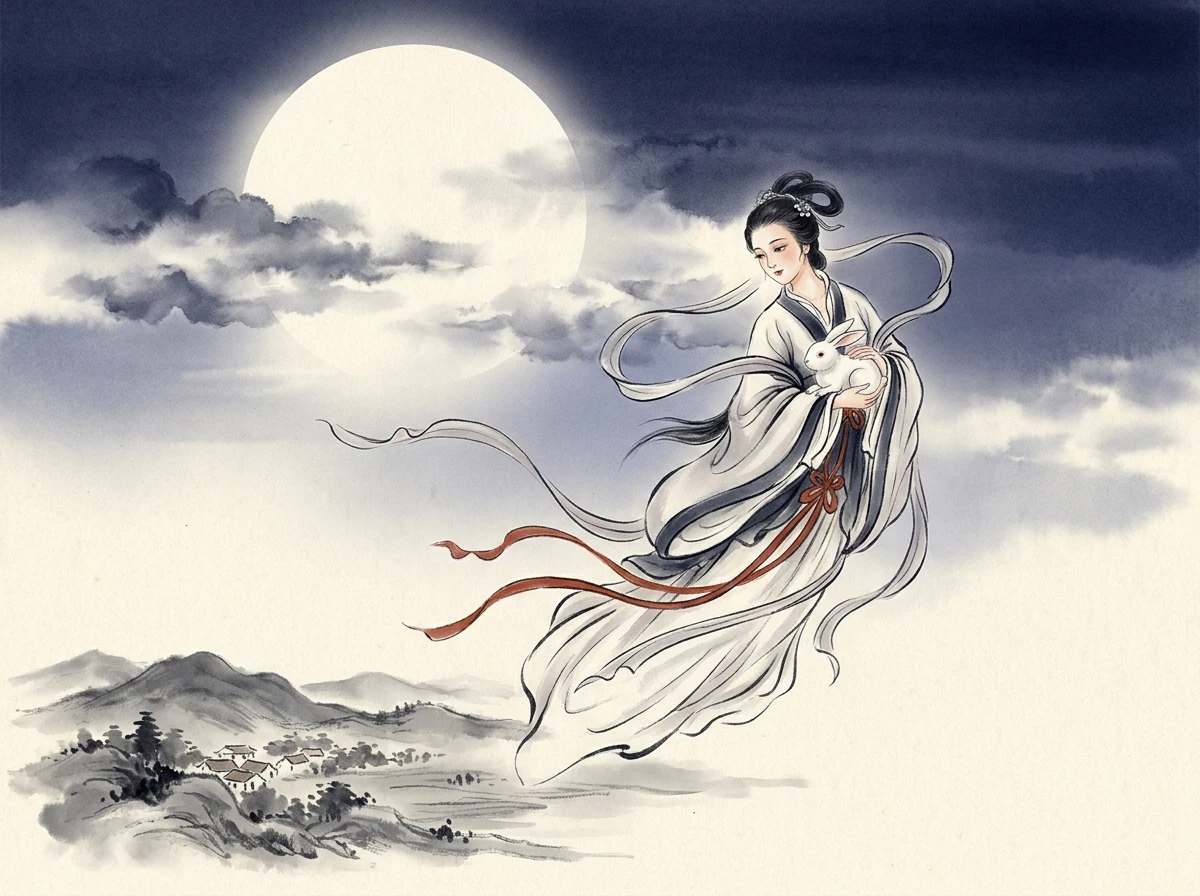
After shooting down nine suns for the world, Houyi wins an elixir of immortality from the Queen Mother of the West and leaves it in his wife Chang'e's care. When the wicked Fengmeng comes to seize it, Chang'e swallows the elixir rather than let it fall into evil hands, and her body drifts up to the moon. Ever since, on the fifteenth night of the eighth month, people set out fruit under the moon and think of loved ones far away.
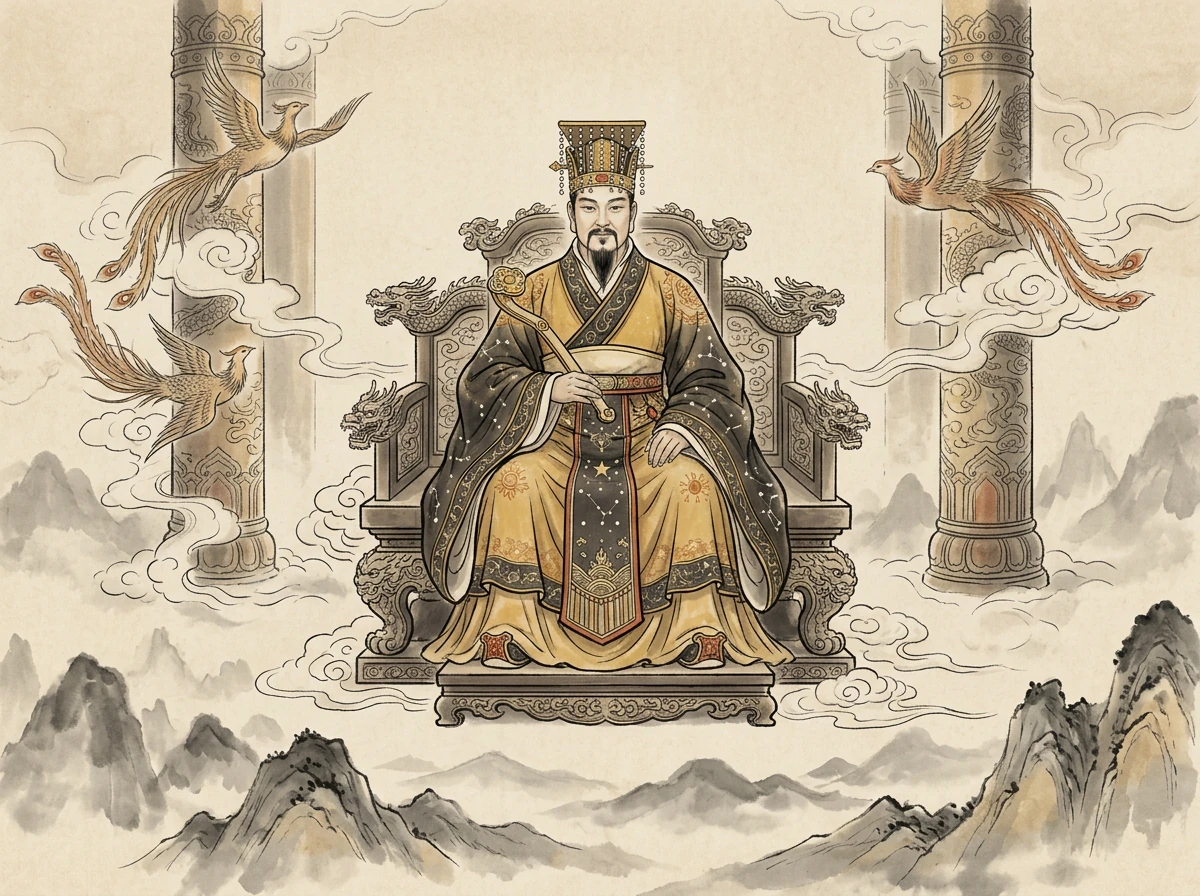
After settling the conflict at Banquan, the Yellow Emperor became the supreme ruler of the cosmos. With four faces watching all directions, he established order from Mount Kunlun, punishing wickedness and fostering peace.
Houyi of Youqiong seizes control of the Xia dynasty but descends into obsessive hunting and arrogance. Xuanqi, harboring vengeance for her slain son, joins forces with the deceitful minister Han Zhuo to orchestrate the legendary archer's violent demise.
When ten suns breach cosmic law and scorch the mortal realm, Emperor Dijun laments humanity's torment and grants the celestial marksman Yi a divine crimson bow and arrows, commanding him to descend with Chang'e to restore order.
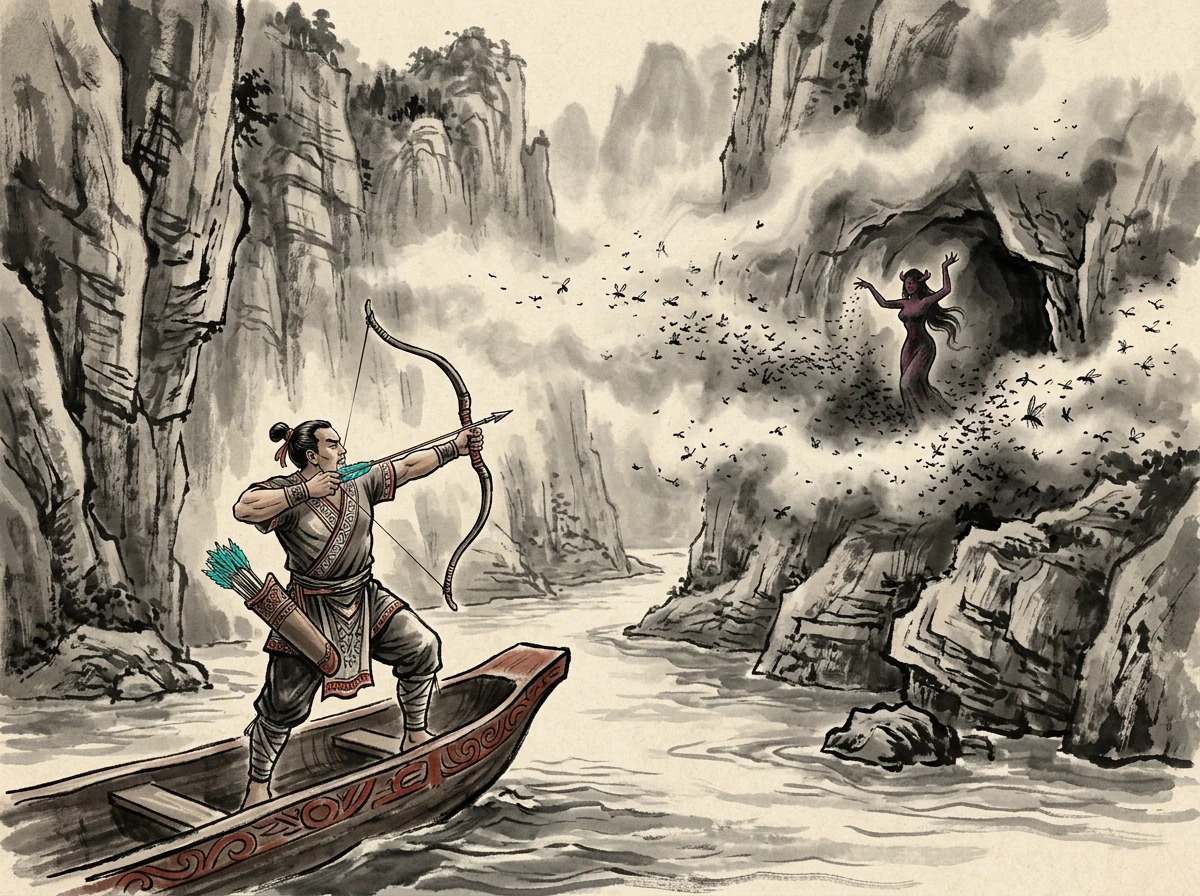
Ba Wuxiang won leadership of five tribes through trials of sword and boat, becoming Lord Lin. Leading his people down the river, he was courted by the Salt Water Goddess, but when she blocked his voyage, he made the tragic choice to shoot her for his people's future.
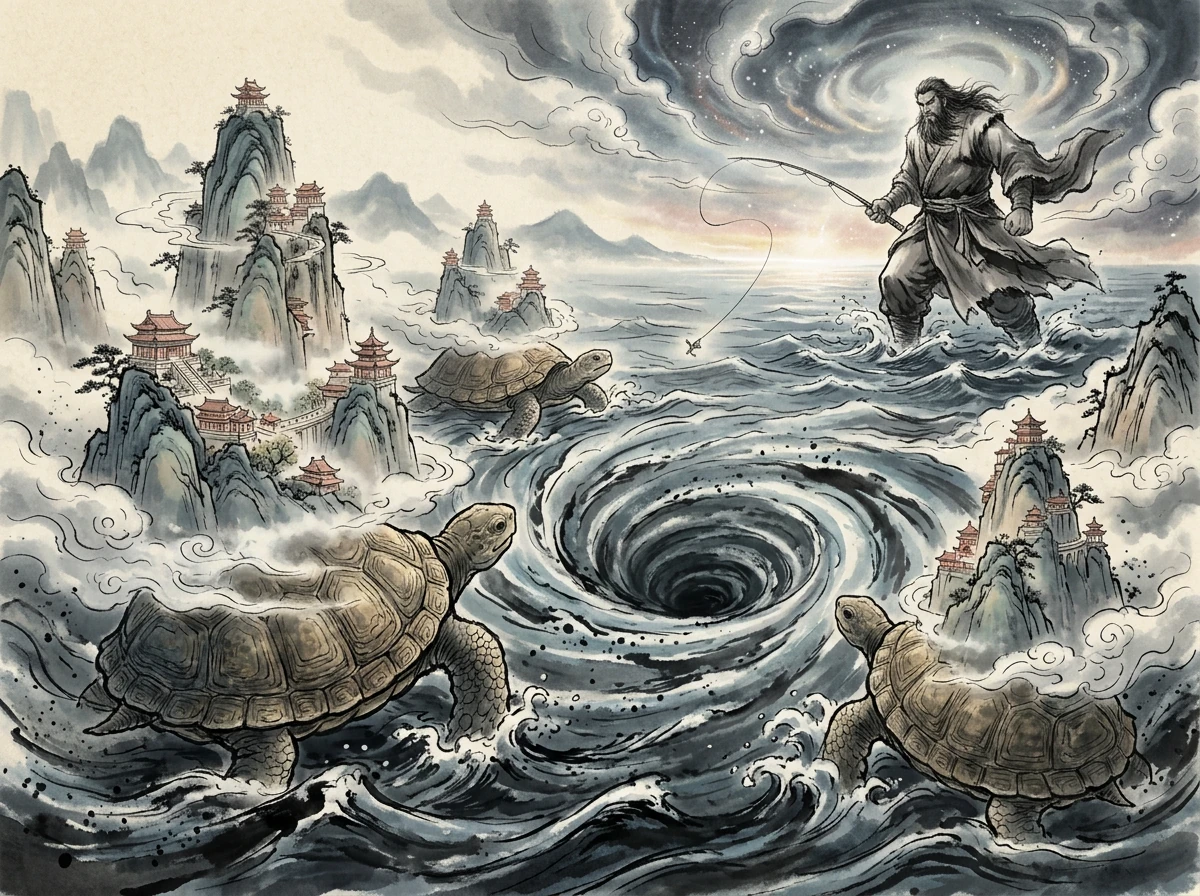
In the bottomless abyss of Guixu, five sacred mountains floated on the sea, anchored by fifteen giant turtles. A colossal giant from Longbo fished away six of the turtles, causing two mountains to drift into the arctic and sink.
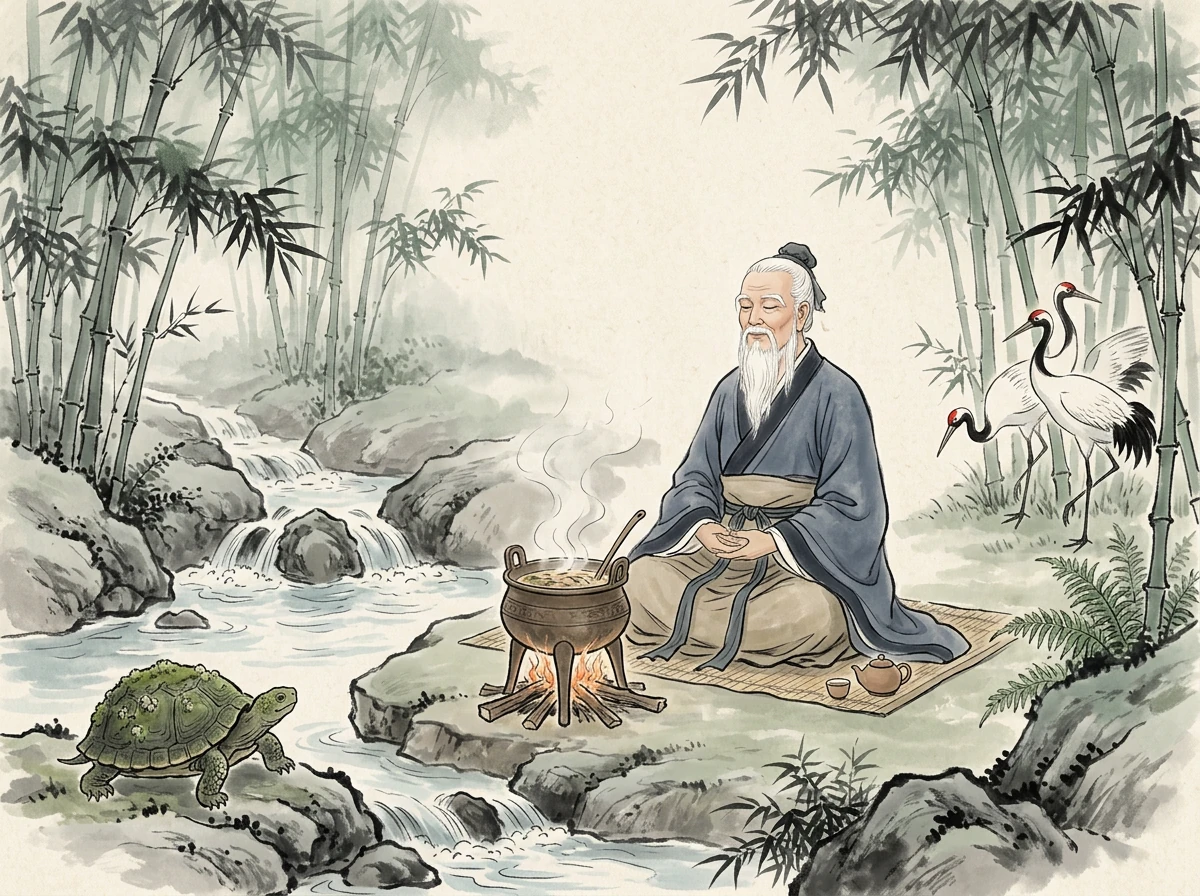
Granted eight hundred years of life after offering a savory pheasant soup to the Heavenly Emperor, Pengzu outlived dynasties and generations of loved ones, ultimately seeing through the illusion of immortality before riding into the desert sands.
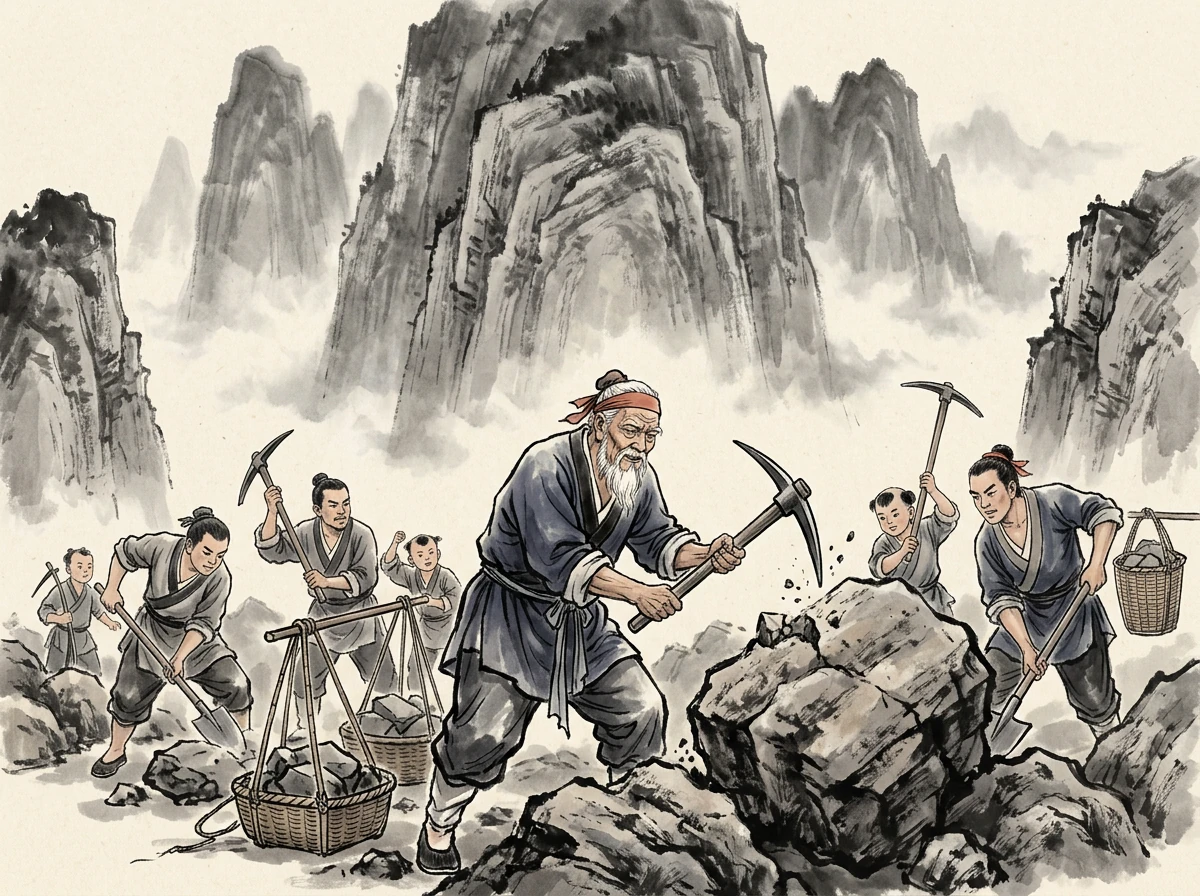
Obstructed by two colossal mountains before his home, the ninety-year-old Yugong resolves to dig them away with his family. Mocked by a cynical elder, he maintains that generations are endless while mountains cannot grow, an unshakable resolve that ultimately moves Heaven.
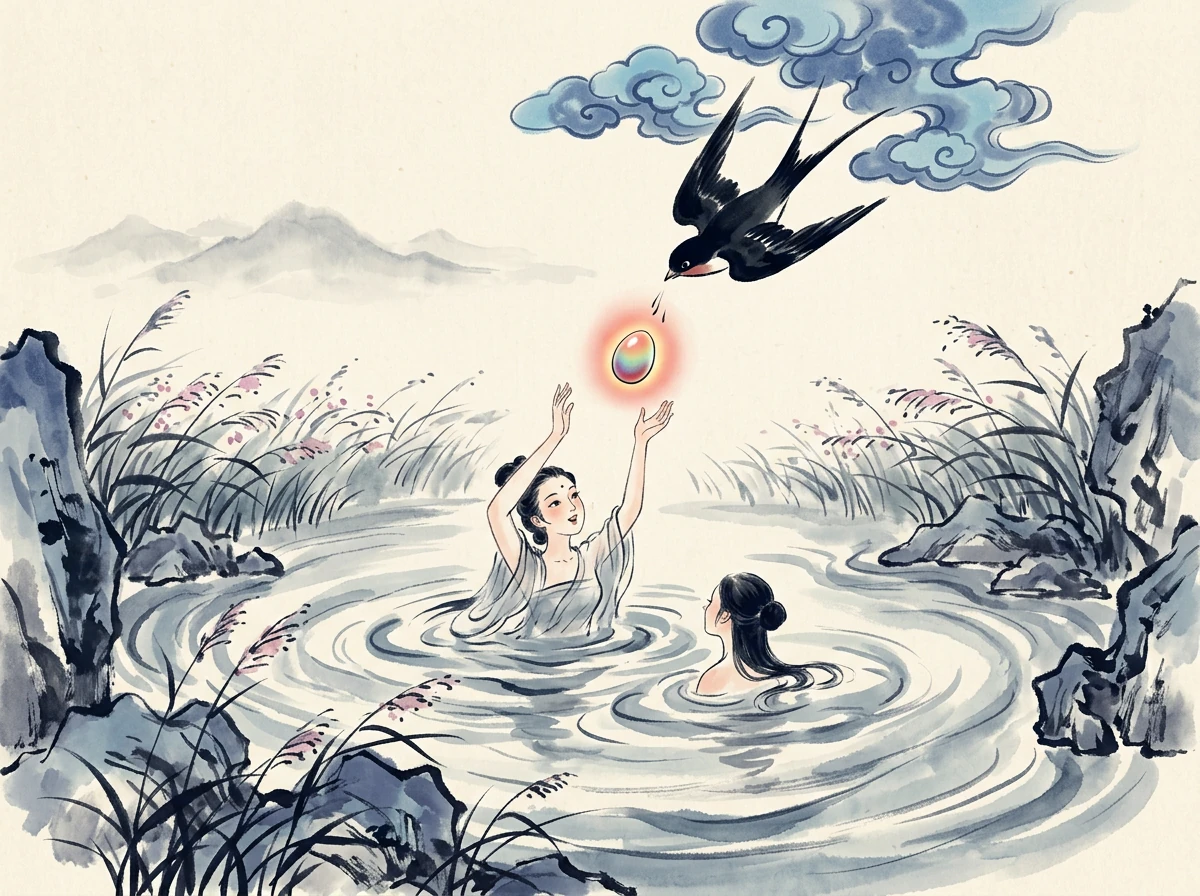
On the lofty Nine-Tiered Terrace, the maiden Jiandi playfully trapped a divine swallow beneath a jade basket. Swallowing the iridescent egg it left behind, she miraculously conceived Xie, the legendary ancestor of the Shang Dynasty.
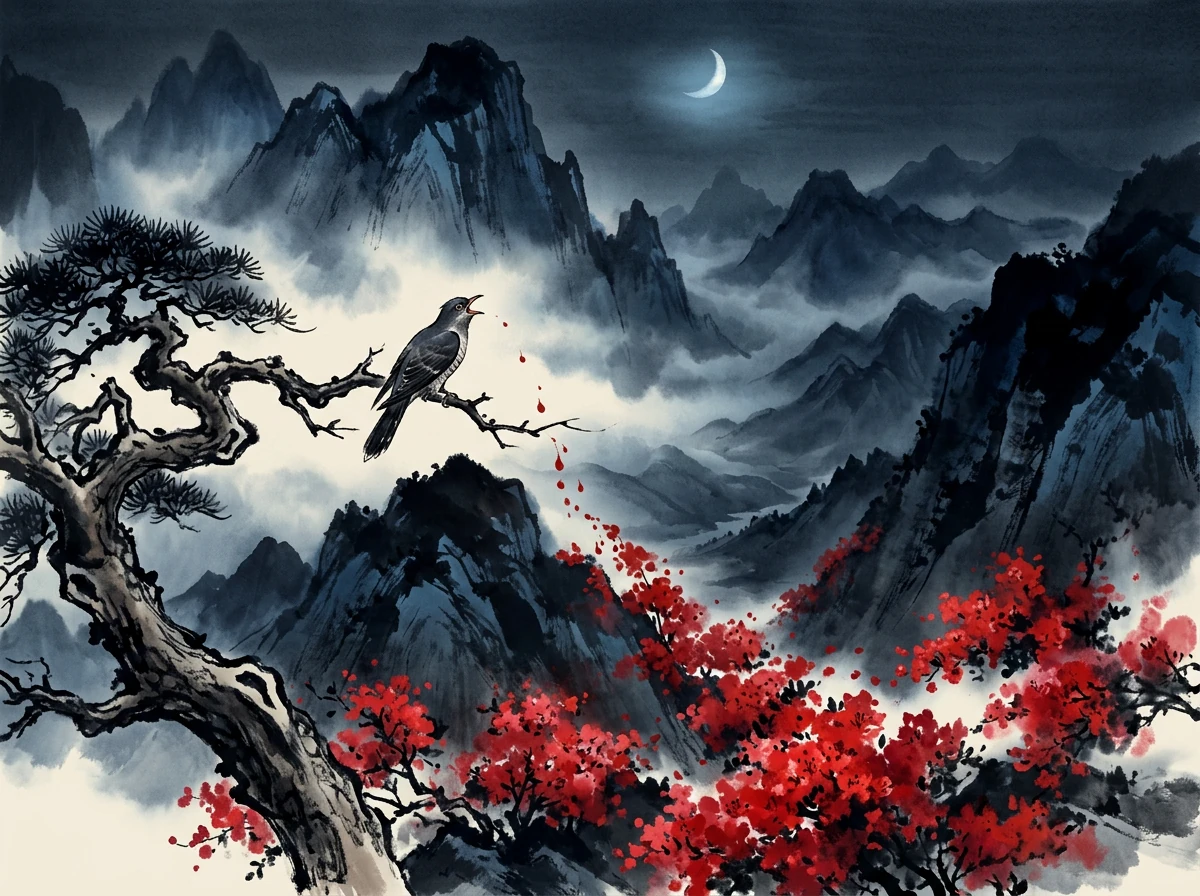
Du Yu taught his people to farm and ruled ancient Shu so well that all called him Emperor Wang. When floods struck, Bie Ling, a man whose body floated up the river and came back to life, dug through the mountains and tamed the waters. Emperor Wang gave up his throne and retired to the western hills. After death his soul became a cuckoo, crying each spring to hurry the sowing, until its blood dyed the azalea blossoms red.
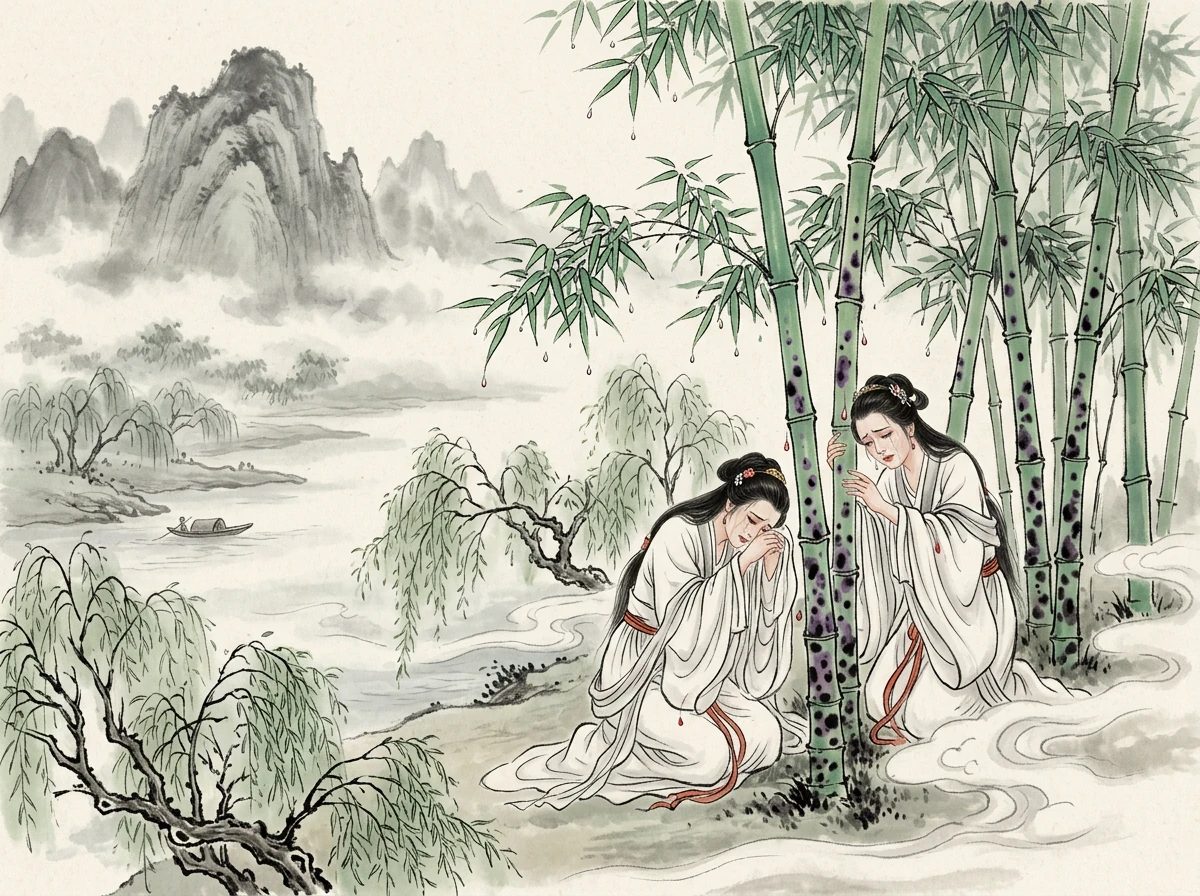
In his old age, Emperor Shun journeys south and dies in the wilds of Cangwu; grief-stricken, his wives Ehuang and Nüying search for him across vast lands, their tears speckling the bamboo stalks before they become guardians of the Xiang River.
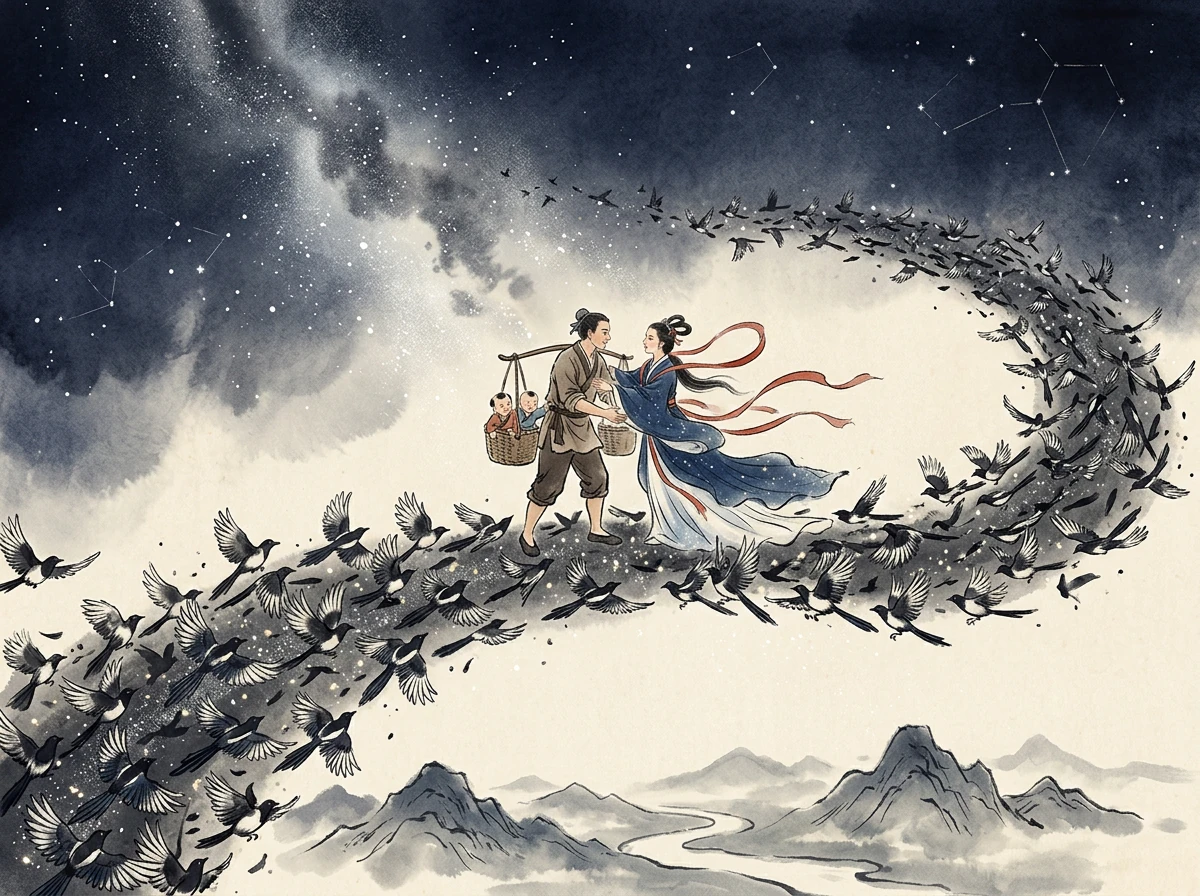
Guided by his loyal ox, the orphaned Cowherd married the celestial Weaver Girl. Torn apart by the ruthless Queen Mother, their unyielding love earned them a yearly reunion across the Milky Way upon a bridge of magpies.
When Dayu's channel-cleaving at the Three Gorges is stymied by tempests and vicious dragons, Goddess Yaoji descends to aid him, shattering mountains, slaying the fiends, bestowing a sacred manual, and ultimately transforming into Goddess Peak to watch over travelers.
A white snake who has cultivated for a thousand years takes human form and comes down to Hangzhou, where she marries Xu Xian, a young man working in a medicine shop. A cup of realgar wine on the Dragon Boat Festival tears the couple apart, and even a great flood raised before Jinshan Temple cannot bring him back. The White Lady ends up beneath Leifeng Pagoda, yet her story is still told beside West Lake today.
Dayu slays the venomous nine-headed serpent Xiangliu and purifies the blighted earth with the Altars of the Emperors. He then measures the cosmos into the Nine Provinces and casts the Nine Tripods, teaching humanity to discern spirits from demons and sealing an era of civilization.
Turning his fleet toward the sunlit Eastern Sea, Dayu explores wondrous overseas realms—the ship-carving giants, the courteous and sword-bearing Gentlemen, and the sacred Nine-Tailed Foxes of Qingqiu—capturing the diverse soul of the mythic east.
Leaving the eastern waves behind, Dayu ventures into the frozen northern wastes, discovering the Ear-Blanket folk, the serpent-wielding descendants of Kuafu, and the miraculous Wuqi people who resurrect from the earth after a century of sleep.
With the central floods quelled, Dayu sails into the vast southern seas to explore exotic realms—the Feathered People, the Pierced-Chest Folk, and the Immortals—mapping an astonishing tapestry of human and mythical diversity.
Dayu travels across the mythical Western Lands, encountering wave-striding giants, the horned beast Chenghuang, shamans bridging heaven and earth, and the miraculous flying chariots of the Qigong folk.
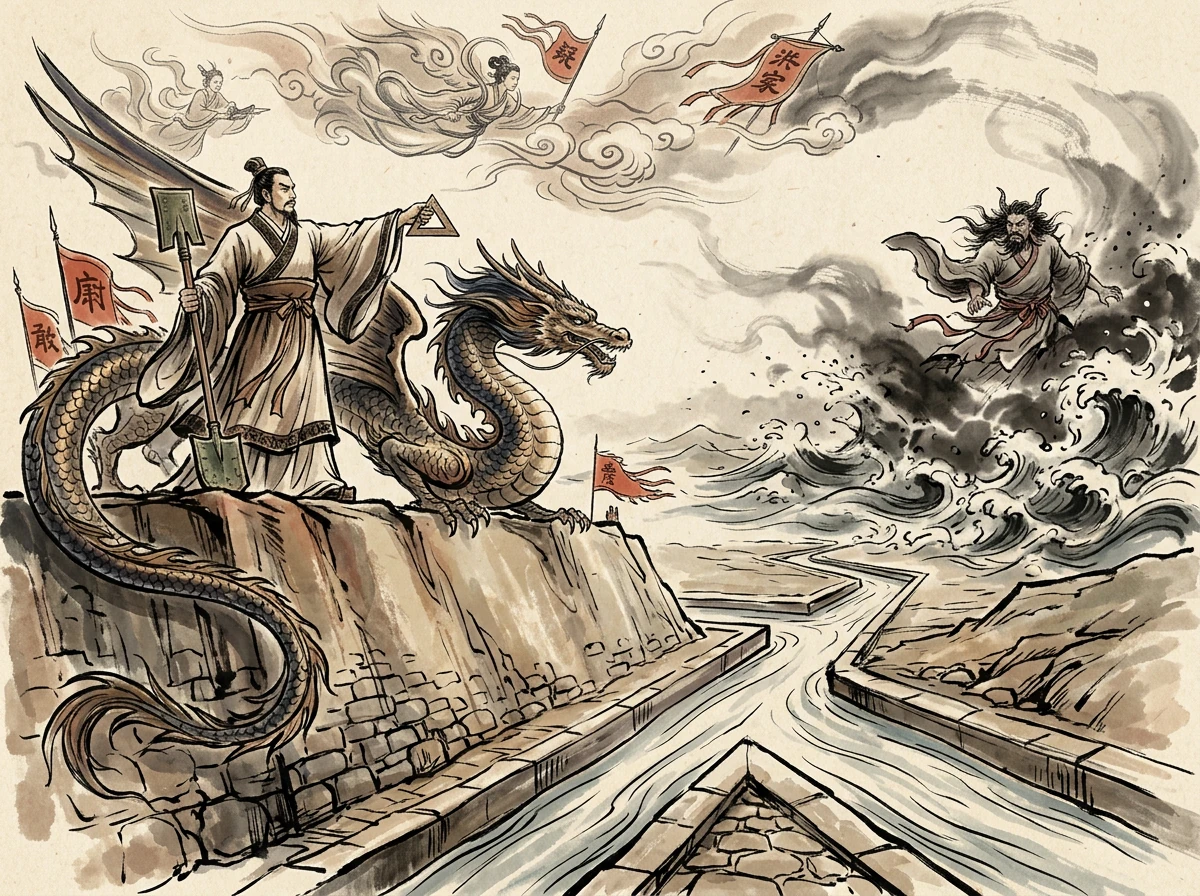
Confronting the water god Gonggong's catastrophic floods that threatened to submerge Kongsang, Dayu rallies the gods at Mount Kuaiji, establishes strict order, and banishes the rogue deity, laying the foundation to tame the rivers of the realm.
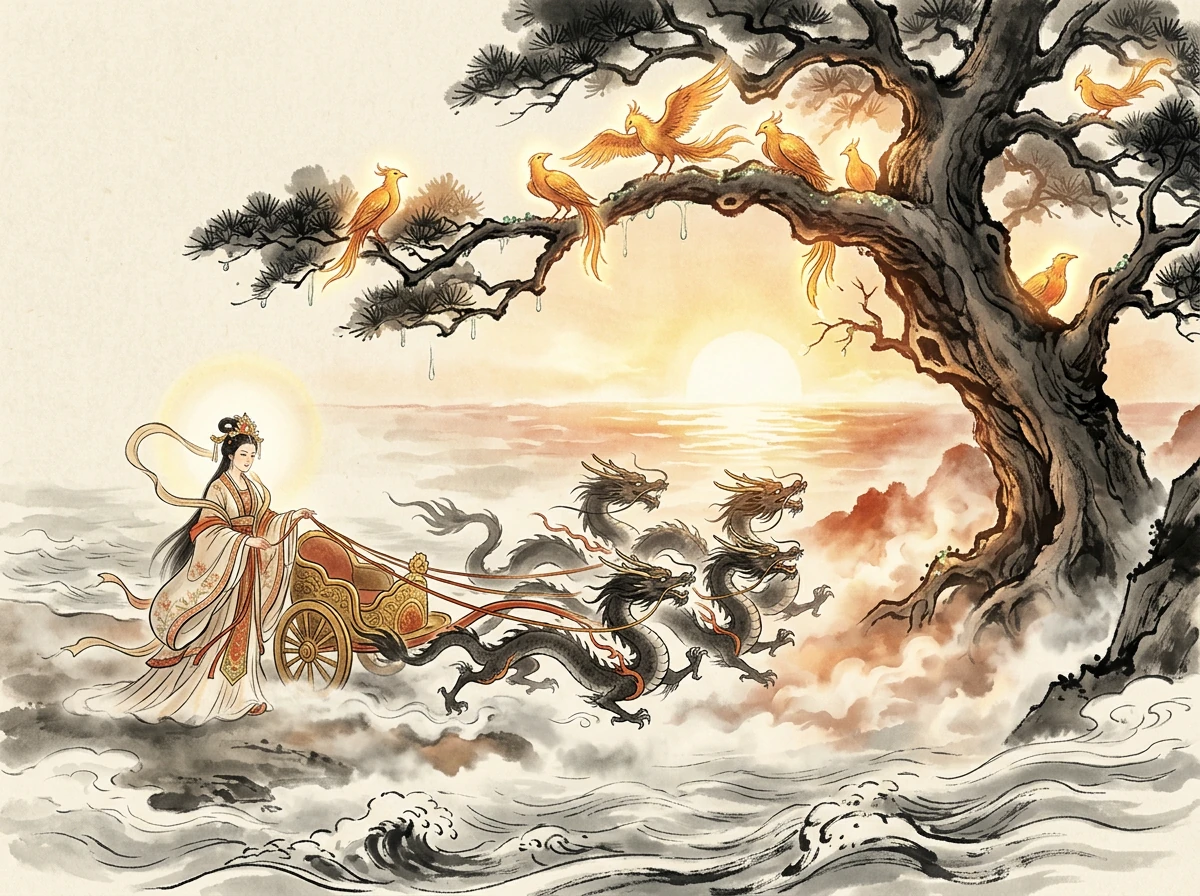
Beneath the divine Fusang tree in the Eastern Sea, the solar goddess Xihe nurtures her ten sun sons, driving a six-dragon chariot across the sky each day to bring warmth and cosmic order to the world.
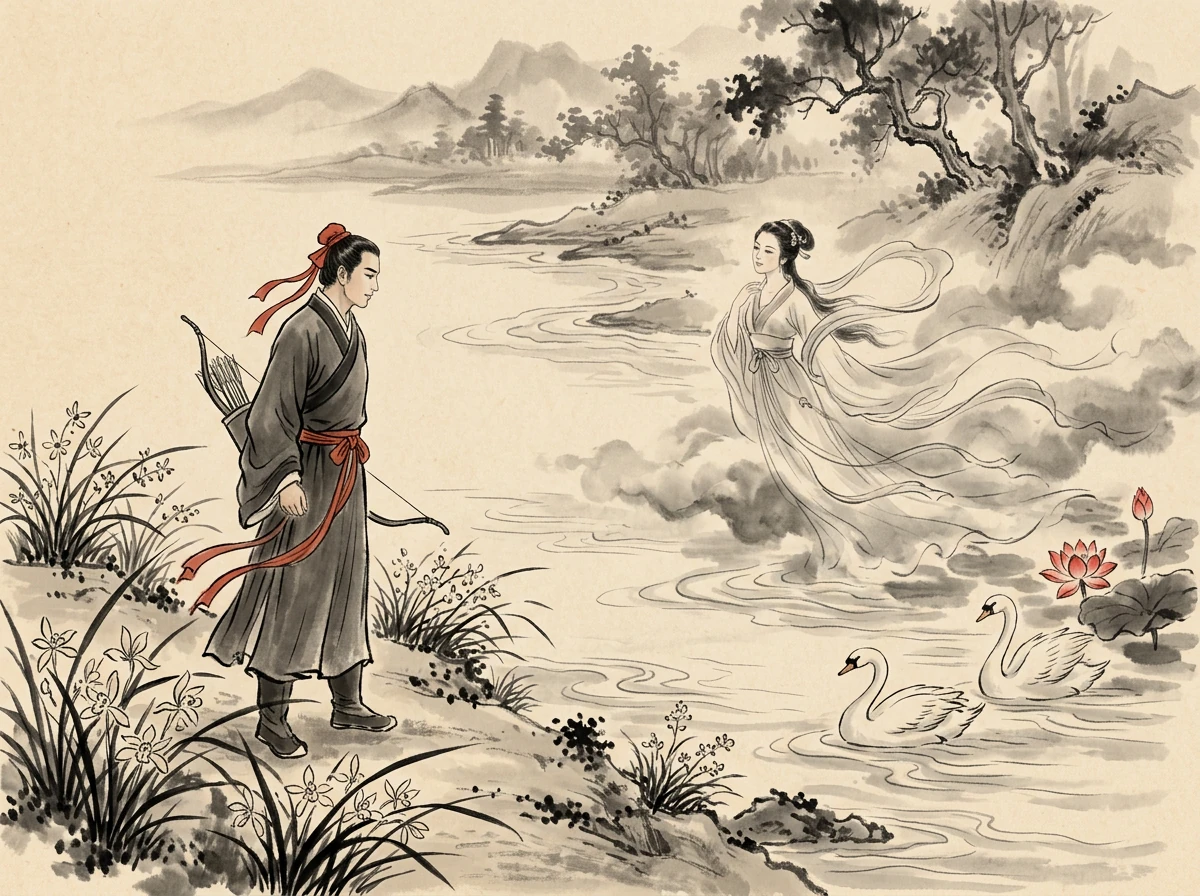
Exiled in the mortal world, the hero Yi wanders to the Luo River and encounters the goddess Mifei, trapped by the tyrannical River God. Striking the marauding white dragon blind with a single arrow, Yi crafts an epic legend of mutual compassion and inevitable departure.
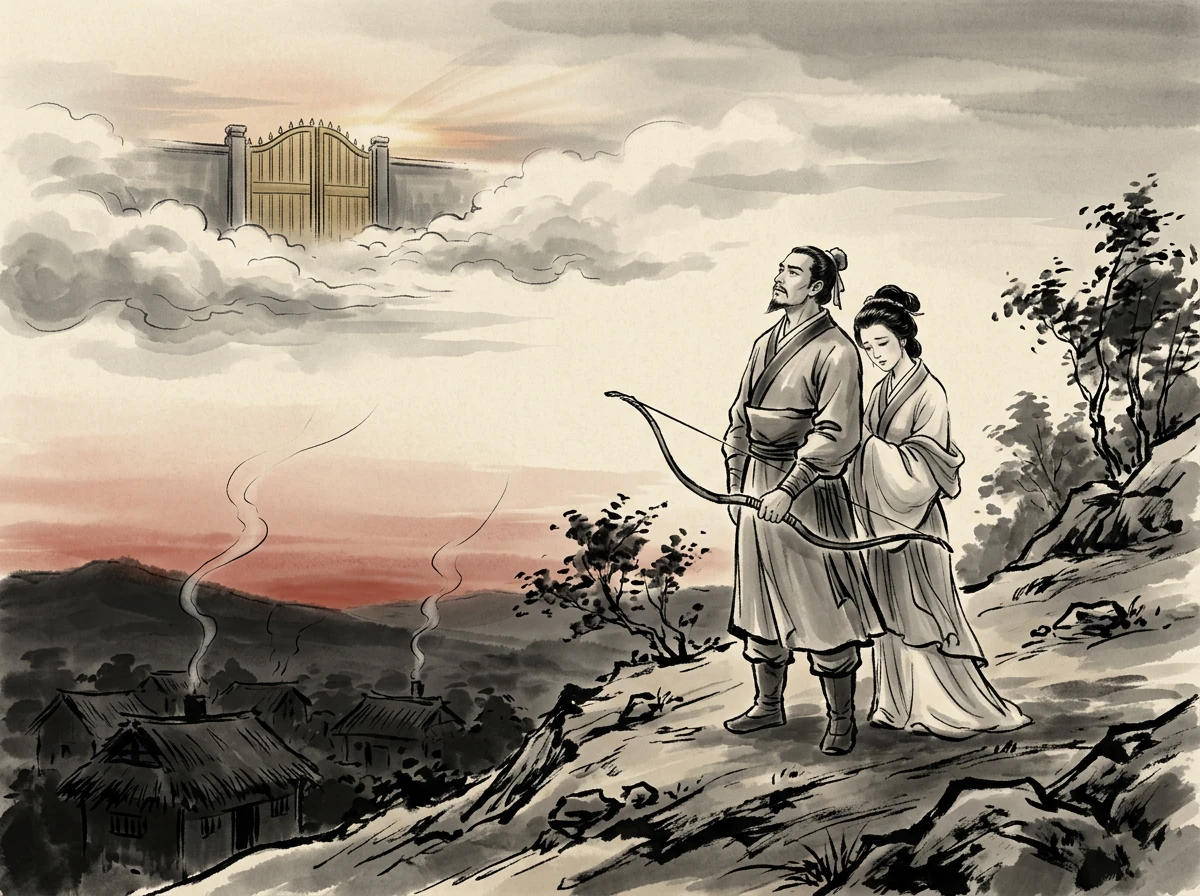
Returning to heaven to present his triumph over the earth's horrors, the hero Yi faces the wrath of Emperor Dijun for slaying the sun princes. Stripped of their divinity, Yi and Chang'e are exiled to the mortal world, where hardship and mortality sow bitter seeds between them.
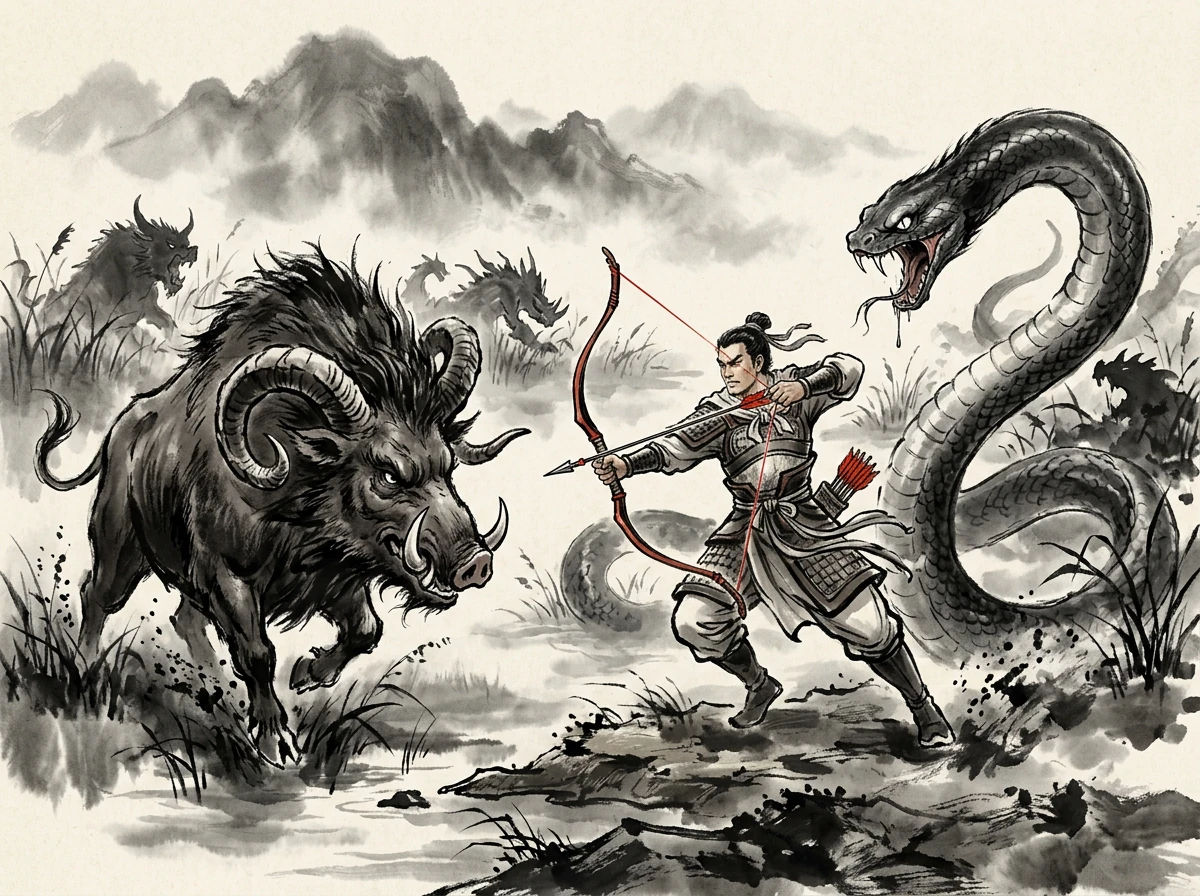
Though the blazing skies have quieted, six monstrous fiends unleashed by the great drought still ravage the earth. The divine archer Yi journeys to the four corners of the world, employing supreme valor and tactics to vanquish the beasts and restore peace.
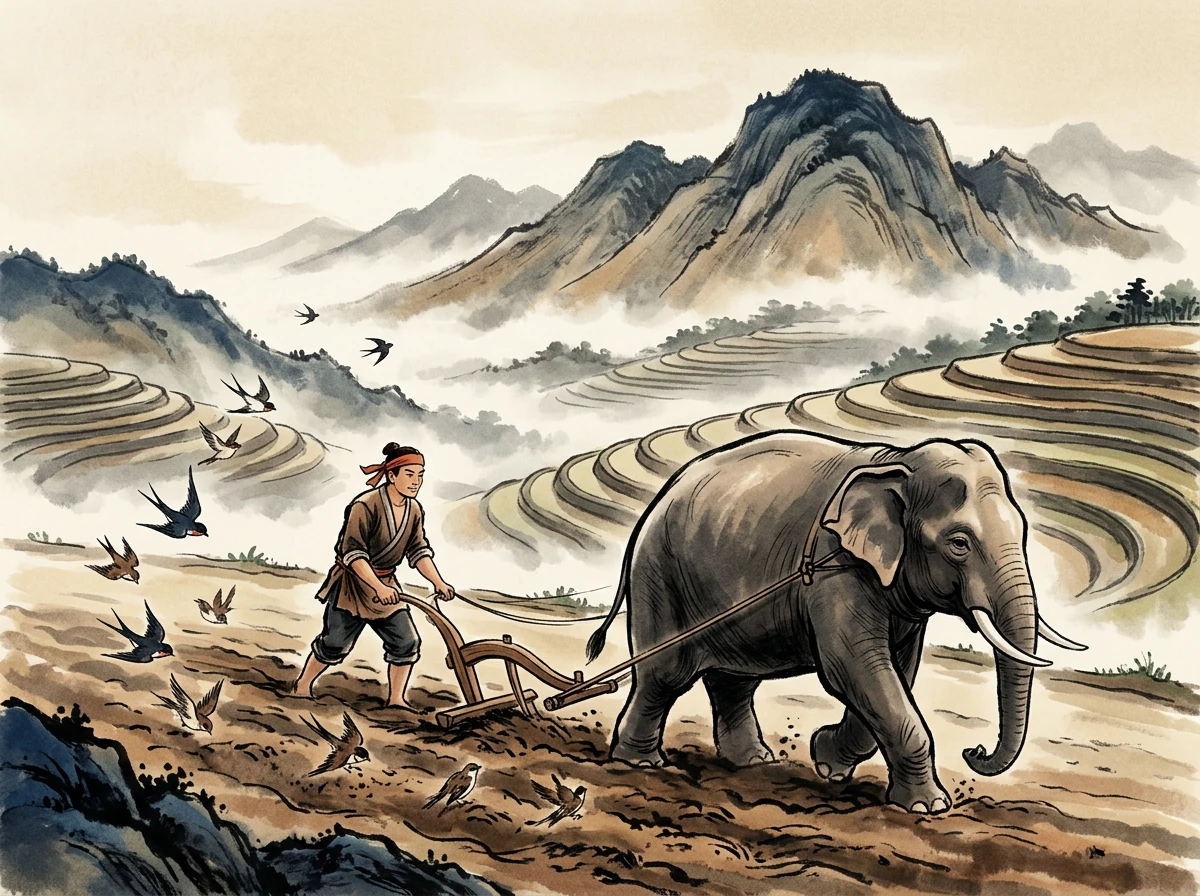
Enduring cruelty from his blind father and stepmother, the filial Shun cultivated the barren slopes of Mount Li. His boundless virtue moved nature itself: wild elephants plowed his fields and flocks of birds weeded his crops, drawing multitudes to build a thriving city around him.
Facing a deadly feast plotted by his blind father and arrogant brother, Shun is secretly warned by his sister Keshou and protected by his wives' herbal bath, drinking endlessly without intoxication to disarm the conspiracy.
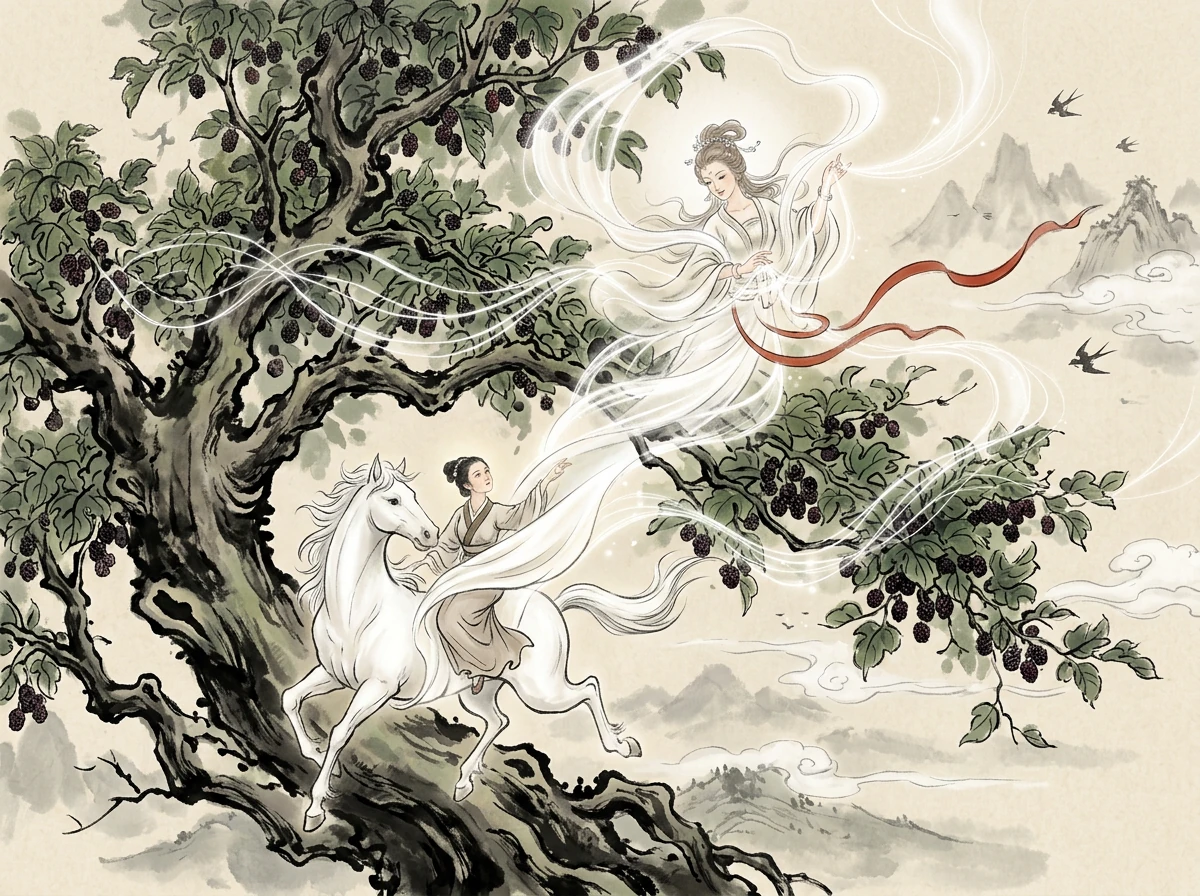
Yearning for her absent father, a maiden casually promised to marry the family horse if it brought him home. After rescuing the father, the horse was slain, only for its pelt to sweep the girl away into the trees, transforming together into the first silkworm.
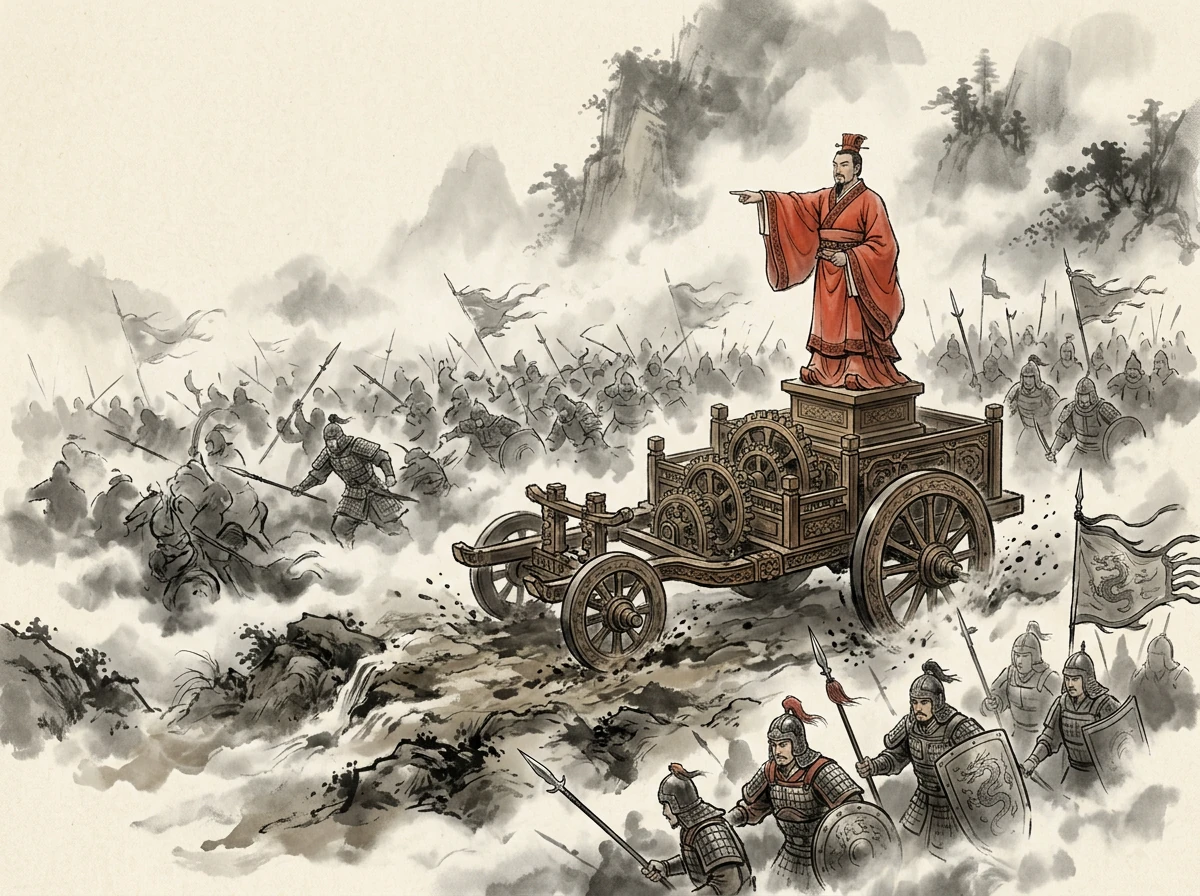
In the Battle of Zhuolu, Chiyou summoned a blinding fog for three days, trapping the Yellow Emperor's army. Inspired by the Big Dipper, the minister Feng Hou invented the South-Pointing Chariot, guiding the troops out of the lethal mist.
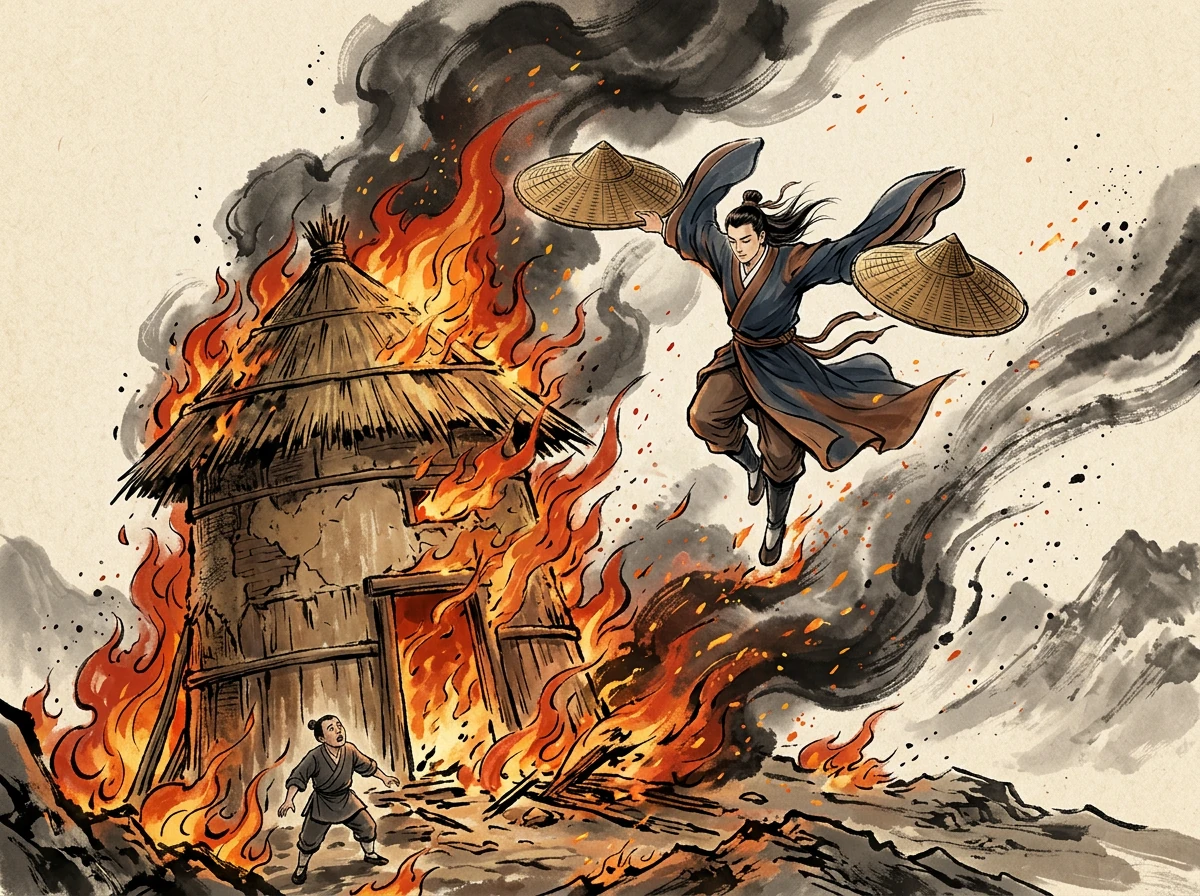
After Shun received royal honors, his jealous father and brother plotted to kill him by burning a granary and burying him in a well. Guided by his wise wives, Shun escaped unharmed and met their malice with astonishing magnanimity.
To cleave through the treacherous Huanyuan cliffs, Dayu transforms into a giant bear. A stray stone strikes the signal drum, bringing his pregnant wife Nüjiao to witness his terrifying beast form; fleeing in despair, she turns into a colossal stone, which bursts open to give birth to their son, Qi.
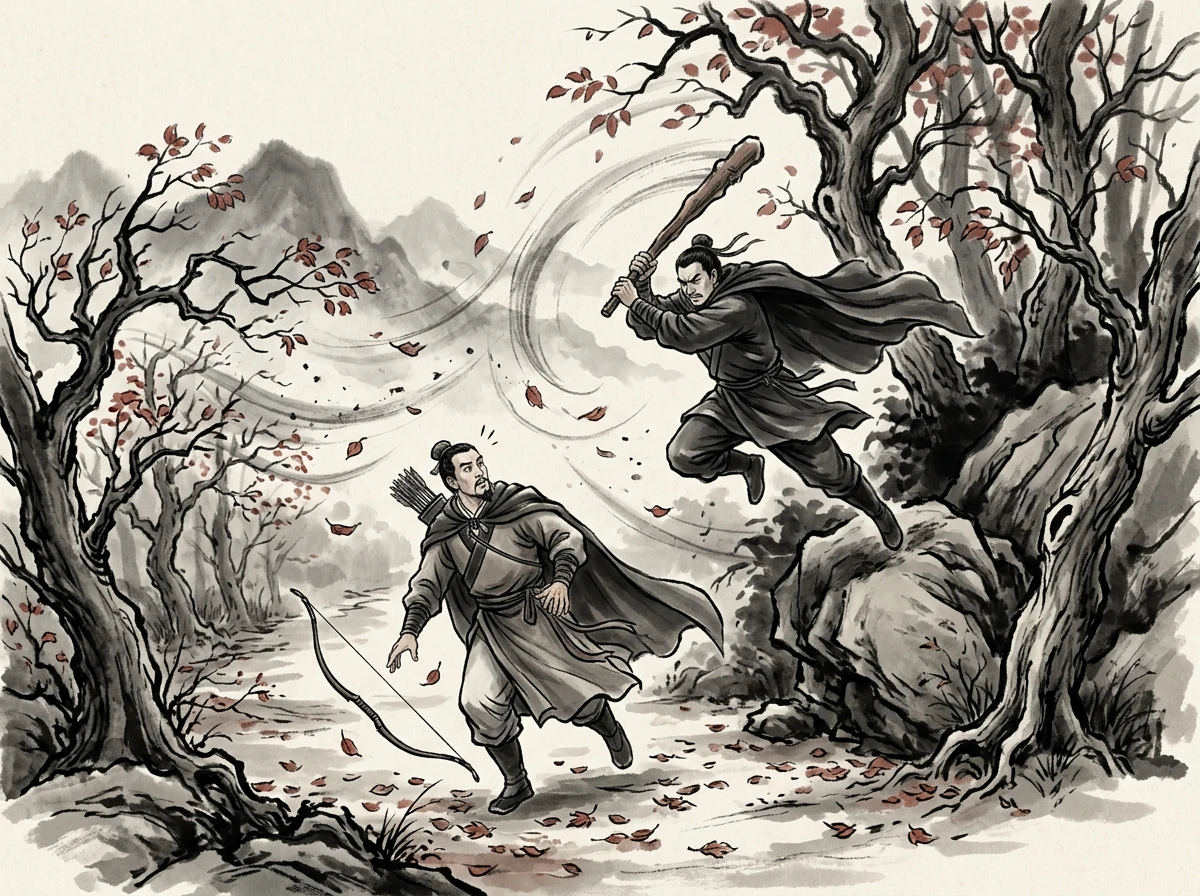
The hero Yi imparts his supreme archery to his ambitious disciple Feng Meng. Consumed by bitter jealousy, Feng Meng attempts assassination; foiled by Yi's archery, he ultimately ambushes the master with a peach-wood club, birthing an enduring legend of tragedy and ghost-warding lore.
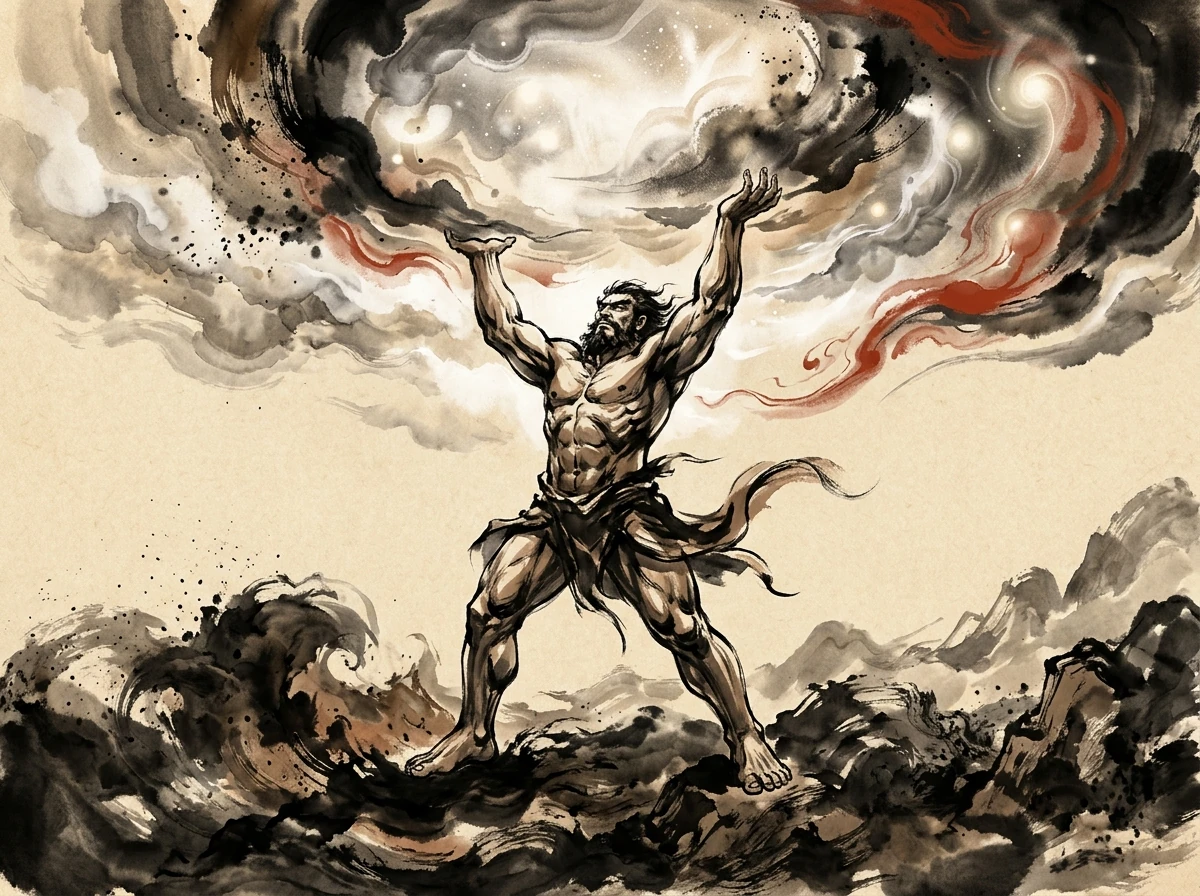
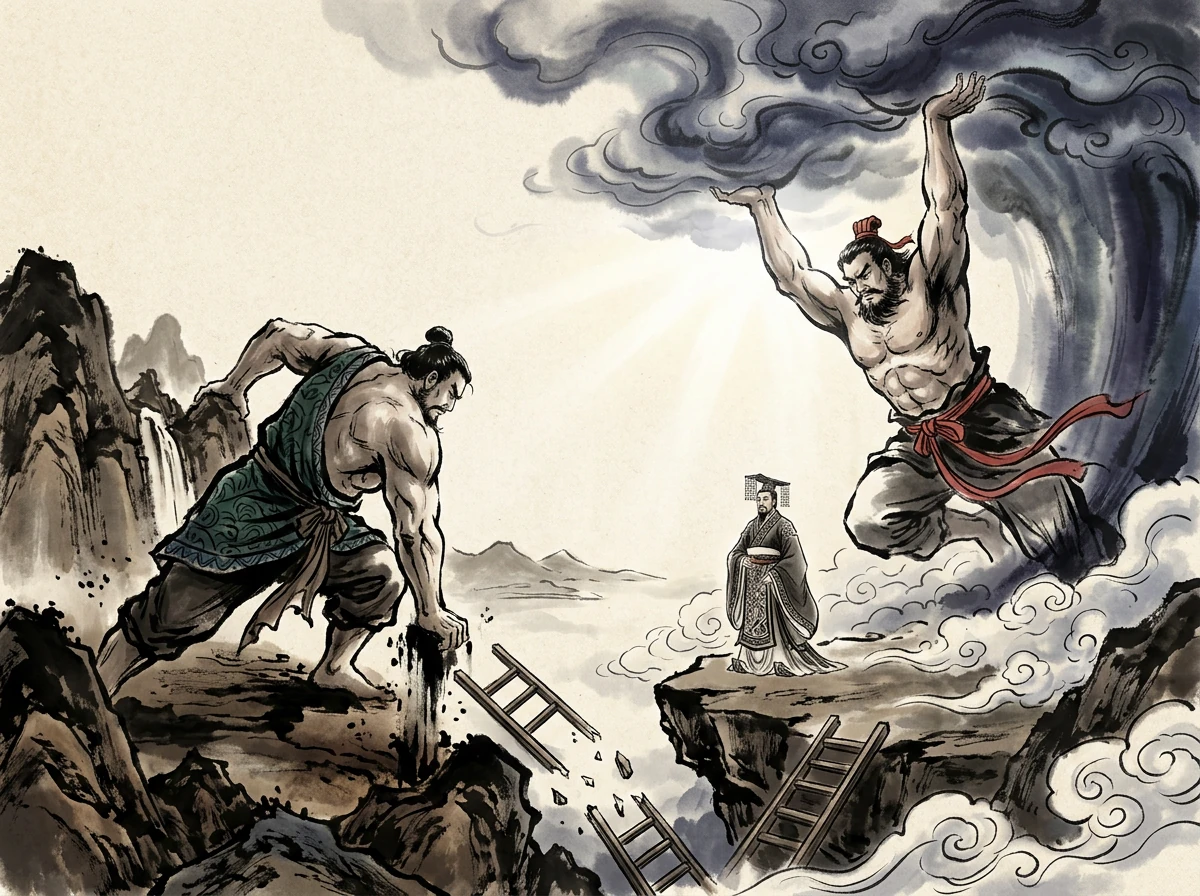
In an era where gods and mortals mingled in chaos, Emperor Zhuanxu commanded the giants Chong and Li to push heaven upward and press earth downward, severing the celestial path so that humanity could step out of superstition and govern their own world.
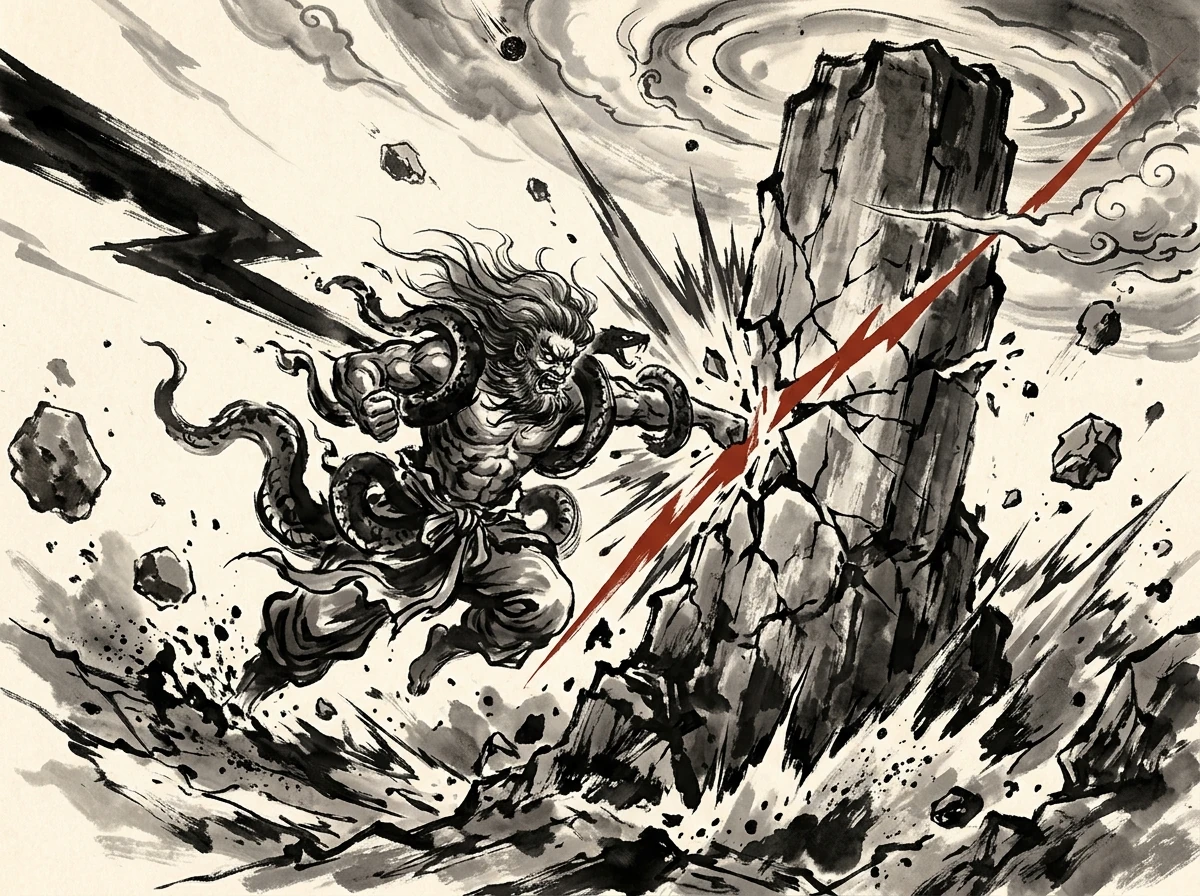
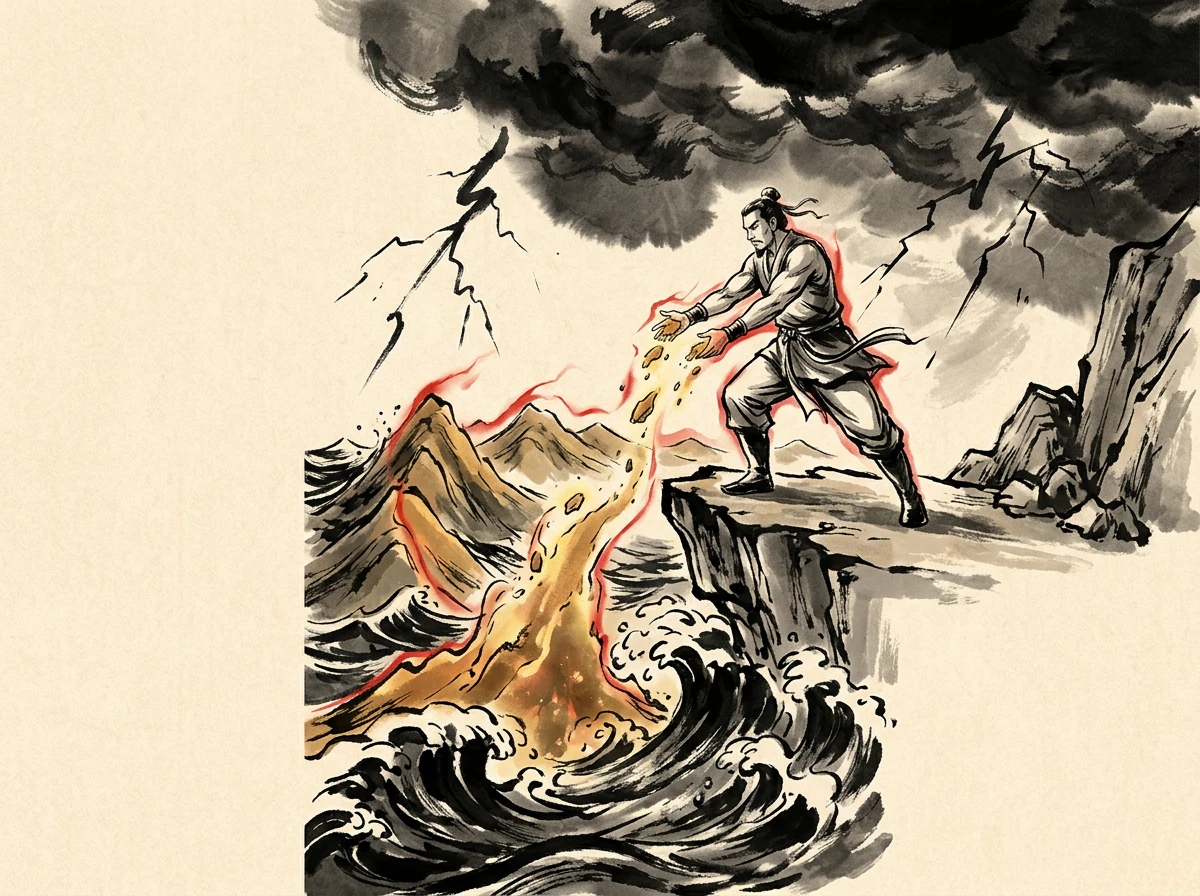
When floodwaters drown the land, the god Gun begs the Emperor of Heaven for the swelling soil that grows by itself. Refused, he steals it without imperial leave and holds back the flood — then the fire god Zhurong puts him to death at Mount Yu. Yet Gun's body does not rot for three years, and inside it sleeps a boy who will finish the work his father began.
In the climax of the Battle of Zhuolu, the Yellow Emperor received divine military strategies and the Kunwu sword to defeat the Jiuli forces and capture Chiyou. Chiyou's bloodstained shackles were cast into the wild, transforming into fiery autumn maple forests.
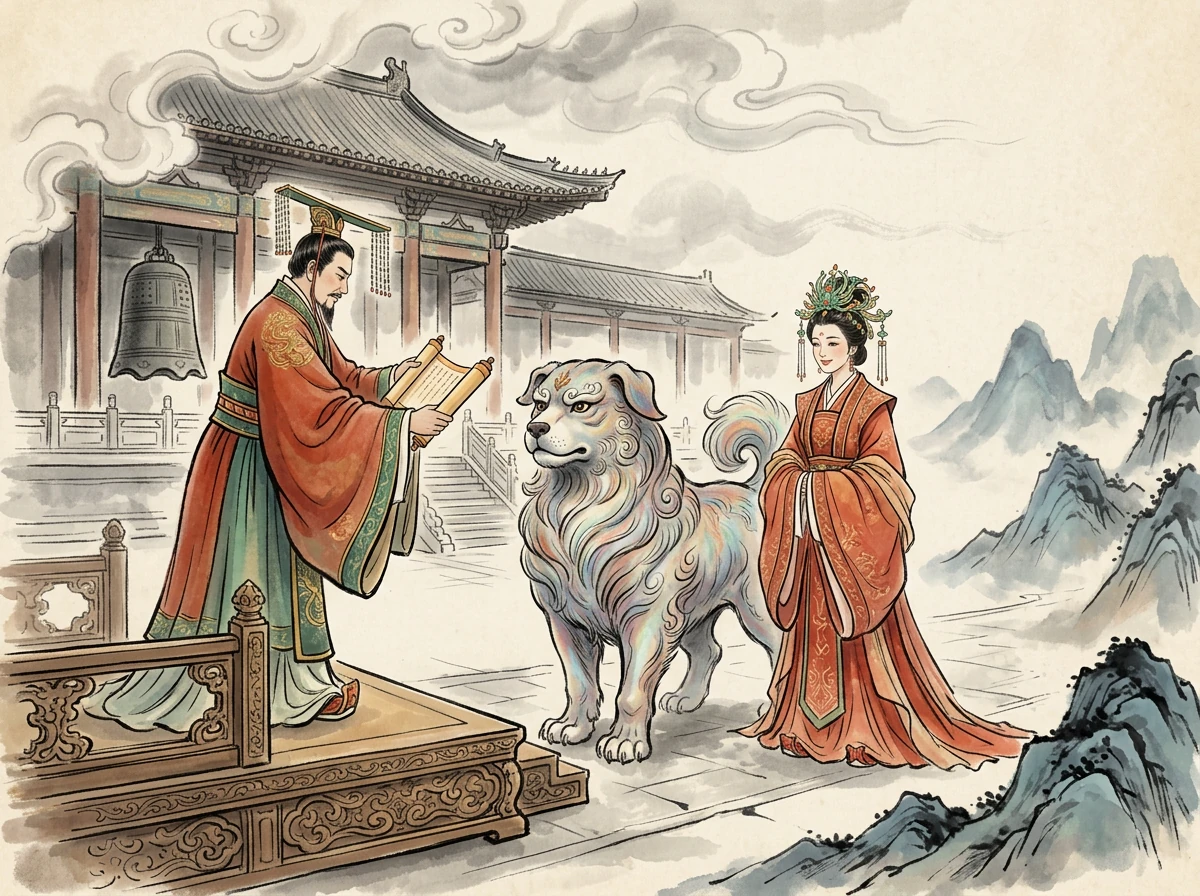
During a dangerous rebellion against Emperor Gaoxin, the five-colored divine dog Panhu infiltrated enemy lines and claimed the rebel king's head. Honoring the royal promise, a brave princess married Panhu and journeyed into the southern mountains to establish a proud ancestral lineage.
There are no stories chronicled under this specific filter criteria yet.
Every learner receives 3 complimentary Free Story Passes. You can freely choose and permanently unlock any 3 classical myths across our collection.
1 Pass permanently unlocks all graded adaptations for that story (from HSK 1 up to HSK 7) and all future editorial refinements. No recurring costs.
Unlocked stories and reading progress are stored in your session. Sign in or create a free account at any time to preserve and sync your library across all devices.
Upgrade to Scholars Pass for unlimited reading across all 159 stories, studio-grade audio narrations, and unlimited spaced repetition flashcards.